
Progressive nonprofits are having a rough time lately. In April, the Department of Justice alleged that the Southern Poverty Law Center secretly paid leaders of the Ku Klux Klan and Aryan Nations—not to dismantle these extremist groups, but, as prosecutors put it, to manufacture “the extremism it purports to oppose.” And a recent City Journal investigation by Ryan Thorpe and Christopher F. Rufo, based on a previous report from the Network Contagion Research Institute and the Intelligent Advocacy Network, as well as their congressional testimony, revealed that the California branch of the Council on American-Islamic Relations has received more than $40 million in public funds, despite longstanding scrutiny over connections to Hamas-linked networks.
These are not isolated incidents. They’re part of a pattern of extremists abusing the American nonprofit system for their own ends. Just look at Florida—where one of us serves as Lieutenant Governor—to see how deep the problem runs.
Finally, a reason to check your email.
Sign up for our free newsletter today.
A new report from the Network Contagion Research Institute (NCRI) documents networks across Florida with overlapping leadership, shared funding streams, and repeated ties to individuals convicted of terrorism-related offenses or sanctioned for connections to Hamas, Palestinian Islamic Jihad (PIJ), and Iran-aligned influence operations. These networks operate through America’s civil society framework—using 501(c)(3) status, nonprofit governance structures, and the constitutional protections afforded to religious institutions as both cover and support.
Take, for example, the Al-Qassam Mosque, formally incorporated under Florida law in 1992 as the Islamic Community of Tampa, Inc., and which lists Sami Al-Arian—later convicted, in 2006, of conspiring to support PIJ—in 1995 as the Registered Agent. Federal investigators identified Al-Arian as PIJ’s North American leader.
The Islamic Community of Tampa’s 501(c)(3) board of trustees included Ramadan Abdullah Shallah. While Shallah held formal directorship of an American nonprofit, documented in the organization’s own Florida nonprofit filings, he was simultaneously serving as secretary-general of PIJ, which he led for more than two decades. He appeared on the FBI’s Most Wanted list and was classified by the U.S. Treasury as a Specially Designated Terrorist.
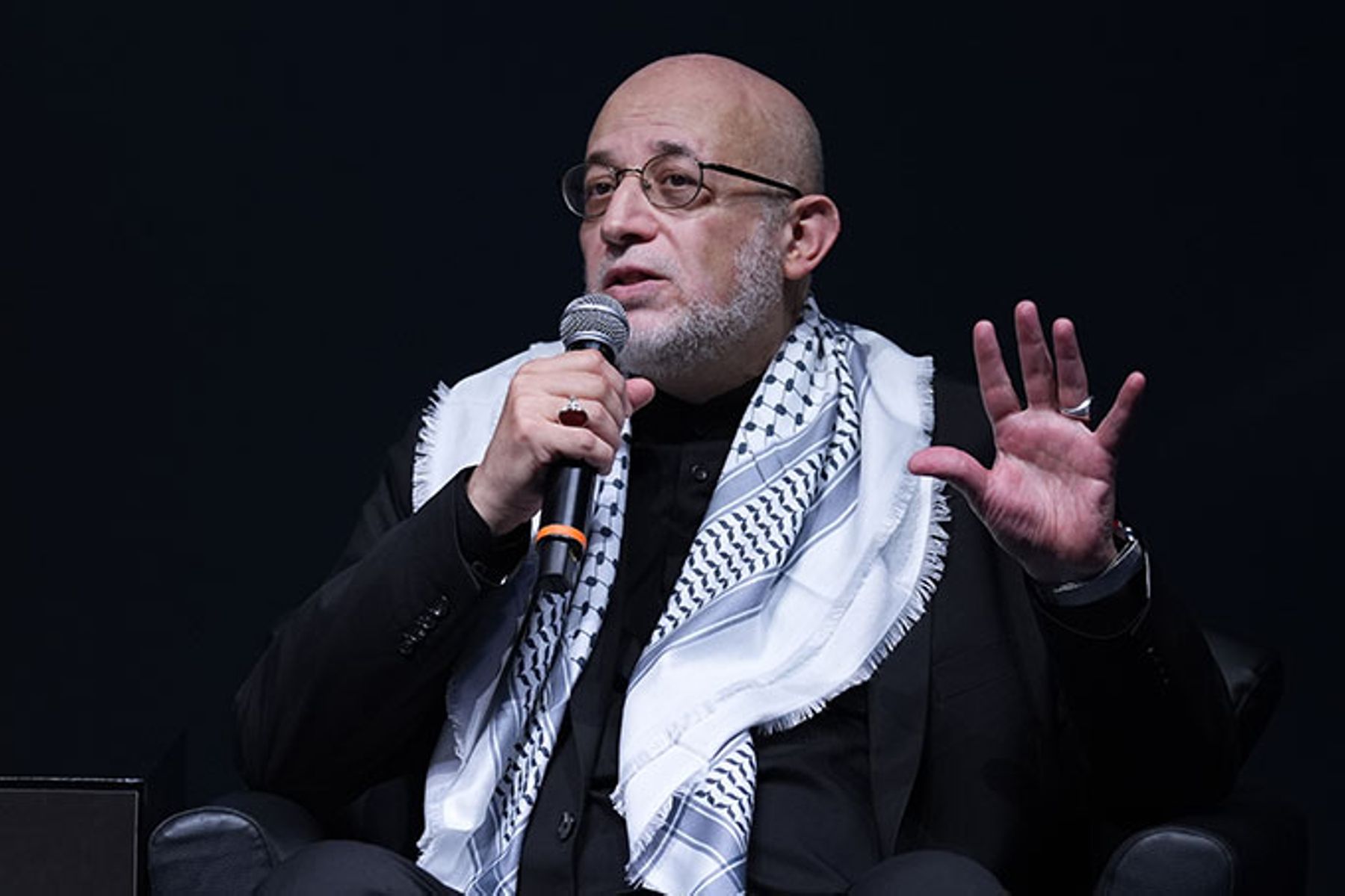
After federal prosecutions exposed this institutional structure, it then rebranded under new organizational names with the same public-facing mission, and with many of the same people.
Hatem Fariz, who pled guilty to conspiracy to provide material support to PIJ and served time in federal prison, was released in 2010 and became director of the rebranded Al-Qassam Mosque. Today, he’s listed as chairman of the board, development director, and treasurer of the Coalition for Civil Freedoms, a 501(c)(3) that says it provides monthly stipends to Muslim prisoners accused of terrorism. The Coalition received a $9,000 grant from the mosque in 2021.
For one of us, this pattern is familiar. Florida Lieutenant Governor Jay Collins spent more than two decades as a U.S. Army Special Forces Green Beret. In the early stages before terrorist networks become visible as threats, he has consistently encountered their efforts at infrastructure building, starting with cultivating the appearance of legitimacy—through civic ties, institutional roles, and the legal protections that come with them. The presence comes first. By the time the threat becomes obvious, the structure is already in place.
In the case of the Islamic Community of Tampa, the details we document can be found in court records and state documents. Why hasn’t that record stopped the same individuals from re-establishing themselves and continuing to operate with all the legal benefits that nonprofit status provides?
The network hasn’t gone dormant. In 2021, CAIR Florida hosted Fariz at its annual gala, where he called his terrorism conviction “baseless,” and featured him in fundraising videos as a victim of government persecution. That same year, the Coalition for Civil Freedoms—whose Board of Directors is chaired by Fariz—granted $9,000 to the Islamic Community of Tampa. Meanwhile Al-Arian, deported to Turkey, has continued operating through CIGA, a think tank at Istanbul Zaim University, hosting Hamas official Osama Hamdan in 2024 and, in early 2025, a speaker sanctioned by the U.S. Treasury. The Tampa network and the Istanbul operation share the same leadership. While the legal address changed, the activity didn’t.
Enforcement is slow for good reason. Federal designations require due process. States face real constitutional limits, especially when religion and free speech are involved. The result is a gray zone that well-organized networks can and do exploit, sometimes for decades.
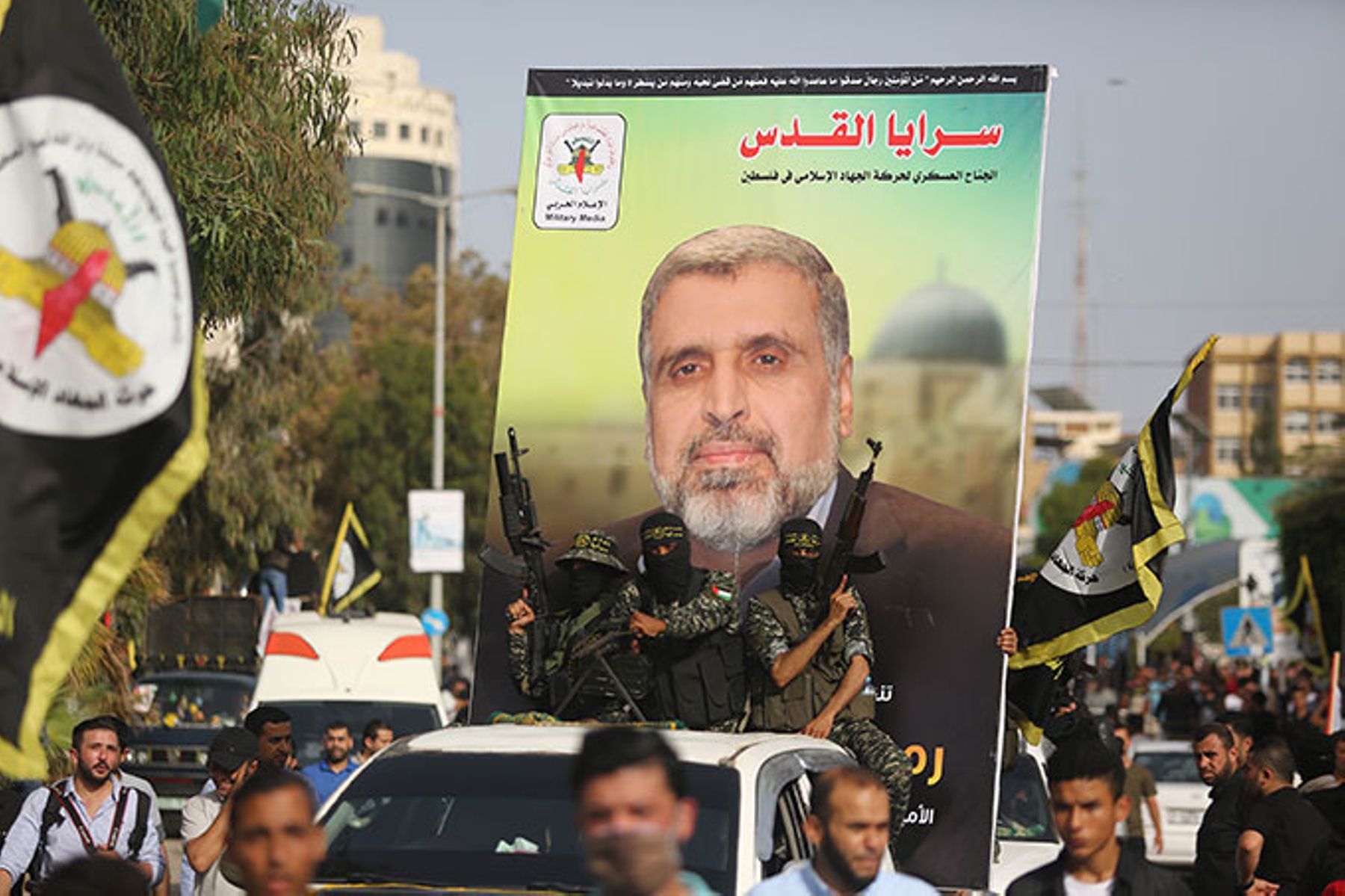
The SPLC scandal reveals what happens when a watchdog institution loses its integrity from within. The CAIR controversy shows what happens when governments keep funding and legitimizing groups with ties to terror-linked networks while treating investigations of those ties as bigotry. And the Tampa incident demonstrates what can occur when the system has no real means of acting, even when the record is established and clear. These failures reveal similar vulnerabilities.
The freedoms that make American civil society strong and worth defending can also be leveraged by people who don’t share our values. Fixing that problem doesn’t mean shredding these protections. It means getting better at making distinctions—and acting on them.
Congress should require enhanced transparency and review for tax-exempt organizations whose leaders, major donors, or grant recipients have been convicted of terrorism-related offenses, sanctioned by the Treasury Department, or identified in federal court records as tied to foreign terrorist organizations. This would not criminalize speech, religion, or association, nor would it punish unpopular views. It would simply recognize that nonprofit status and public funding are privileges, not rights.