|
Forwarded this email? Sign up for free to have it sent directly to your inbox. |
|
|
Good morning, Today, we’re looking at efforts in two states to fight civil terrorism, a win for parents at the Supreme Court, and how Pennsylvania went from having a major permit backlog to ultra-fast processing times. Write to us at editors@city-journal.org with questions or comments. |
|
|
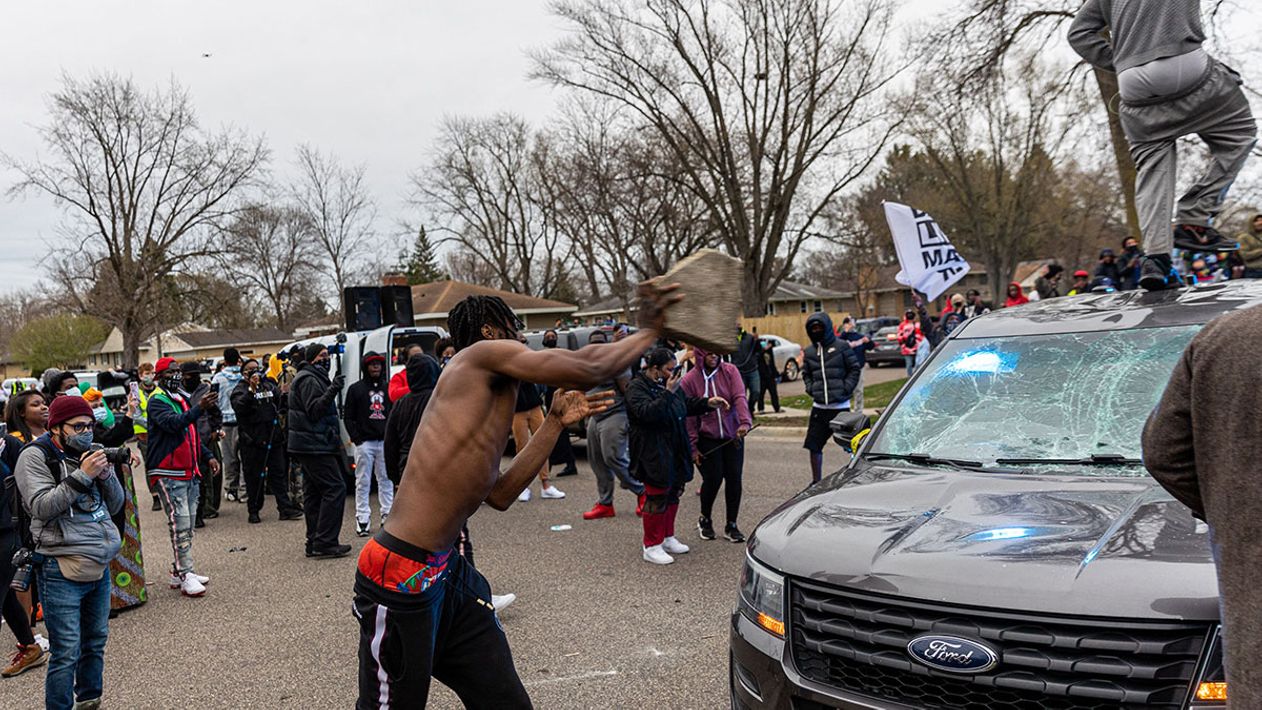
Arizona and Utah are cracking down on civil terrorism—or trying to. Lawmakers in both states have introduced bills that would impose harsher penalties on individuals who engage in illegal activity to achieve political goals.
“Blocking a road, for example, is already illegal, and for good reason: people have to get to their families and jobs, not to mention the needs of emergency vehicles,” Tal Fortgang writes. “But Arizona’s HB 2136 and Utah’s HB 331 raise the costs of doing so intentionally in large groups or in especially disorderly ways, because current law treats road-blocking as a minor crime, and troublemakers have been exploiting it.”
Not everyone is happy, though. An ACLU of Arizona rep called the bill there an “attempt to criminalize speech,” and a Salt Lake Tribune editorial said the Utah bill was “designed to make it easier to criminalize public protests.” These criticisms don’t add up, Fortgang writes. Read why here. |
|
|
In Mirabelli v. Bonta, the Supreme Court sided with parents who challenged California’s parental-exclusion policies as violations of the First Amendment’s Free Exercise Clause and the Fourteenth Amendment’s protection of parental rights. The state’s policies prevented public schools from telling parents if a child adopted a new gender identity, even if the parents requested that information about their child.
“The Court’s unsigned opinion concluded that the parents are likely to succeed on the merits, meaning their constitutional claims are presumptively valid,” Ilya Shapiro explains. “California’s policies, it explained, trigger strict scrutiny—the highest standard of judicial review—because they ‘substantially interfere with the rights of parents to guide the religious development of their children.’”
Read more about the case. |
|
|
Not long ago, Pennsylvania was backlogged with thousands of permitting and environmental review applications, many of which were required before housing and factories could be built or energy projects could proceed. Nursing licenses, too, faced huge wait times, forcing many workers out of the state.
Enter “PAyback,” a program to shorten the approval process and slash backlogs. Under the initiative, agencies must publish firm timelines of the review process. If they miss a deadline, applicants get their money back.
It’s working. Since 2023, average processing times have fallen from two weeks to one day. “Faster processing meant agencies could finally eliminate backlogs. Last fall, the Department of Environmental Protection announced that it had eliminated its longstanding permit backlog entirely,” Shawn Regan writes. And the state has issued only five refunds since the program launched. “The possibility of issuing refunds created a credible performance commitment,” Regan argues. “Agencies now have a clear incentive to meet deadlines—and visible consequences if they do not.”
Read more about the program’s success and what other states can learn from it. |
|
|
|
Allison Schrager and Rafael Mangual discuss the nuances of conservative economics, the importance of free markets, the role of incentives, and the impact of regulation. They consider the philosophical underpinnings of economic thought, the significance of risk tolerance, and the influential thinkers who contributed to modern economic understanding. |
|
|
“I’m pretty sure that if the leadership of National Nurses United had known in advance that intensive care nurse Alex Pretti was in the habit of carrying a concealed handgun in public, they would have been horrified. Absolutely horrified.”
|
|
|
Photo credit: KEREM YUCEL / AFP / Getty Images |
|
|
A quarterly magazine of urban affairs, published by the Manhattan Institute, edited by Brian C. Anderson. |
|
|
Copyright © 2026 Manhattan Institute, All rights reserved. |
|
|
|