
In New York City, making a profit on real estate has become increasingly difficult. Rent-stabilization laws built on the mantra that “housing is a human right,” a dysfunctional housing court, and myriad other interventions have driven thousands of units off the market, giving rise to the phenomenon of New York’s “ghost apartments.”
The city now has nearly 50,000 empty units, absent from the market either because their operating costs exceed legal rents or because they require considerable renovations. Recently, I visited four of these ghost apartments. Together, they reveal the city’s fundamentally broken housing market and what needs to be done to fix it.
Finally, a reason to check your email.
Sign up for our free newsletter today.
In a city where 100 percent of people owned their homes, the housing stock would be in pretty good shape. Owners have an incentive to keep their properties in good order both because they live in them and because they want to increase the value of their assets. But anyone who can’t or doesn’t want to buy would find that arrangement inconvenient. Such people—students or recent arrivals, for example—would usually prefer to rent.
Where there’s a renter, there’s a landlord who stands to profit—though that profit is by no means guaranteed. To profit, the landlord must make sound decisions as to maintenance, capital investment, and marketing. These costs must be paid; only after they’re met can the owner potentially make a profit. The legal environment also has to permit some return on investment.
But in New York City, that’s not always how it works. Take a building on East 6th Street as an example. A mere five-minute walk from Tompkins Square, the building is a convenient home for students and young professionals.
One-bedroom units in the building average $3,500— except two of them, subject to the city’s rent-stabilization laws, which hold rents below $900 per month.
As a result, both units have been allowed to fall into disrepair, because the cost of restoring them to habitability is greater than what they’d generate in rent. “We’re talking a minimum of $100,000 for [the studio we first visited], which requires a complete remodeling,” Michael Johnson, a vice president at the New York Apartment Association, explained.
The cost: $10,000 for an architect to review the plans and obtain a permit; $50,000 for kitchen and bathroom materials and labor; $20,000 for the floors and ceilings; $6,000 for appliances; $25,000 in electricians’ fees; and a miscellany of other significant fees. These figures add up to the typical $100,000–$200,000 costs of renovating a studio apartment like the one we visited. It’s the same story upstairs in the second unit.
Then there are the operating costs associated with each individual unit. As of 2023, these amount to $1,028 for a small building in Manhattan, according to the Rent Guidelines Board. Fuel, hot water, and labor costs go up with each additional unit that’s rented and must be taken into consideration. Fixed costs, like insurance, can be shifted from rent-stabilized to market-rate units, but that drives up everyone else’s rents.
In order to afford to renovate the two units at the building on East 6th Street, the owner could request a rent increase from New York’s Division of Housing and Community Renewal. But the maximum rent increase allowed would be $347, bringing rents to $955 and $1,211, respectively. Any bank could see that the $100,000 investment would never be paid back.
So, the units stay empty. “The owner can’t really figure out what to do with them,” Johnson said. “It’s just wasted space.”
That story is, unfortunately, not an isolated one. The next day, I visited two additional vacant apartments, on Valentine Avenue in the Bronx, where I saw the same conditions: renovation costs of $60,000, operating costs likely to exceed $1,000 per month, and legal rents capped at $824 and $529, respectively. In this area, market rents are lower, meaning that the fixed costs of buildings cannot be borne by other (market-rate) tenants. That makes the problem even worse.
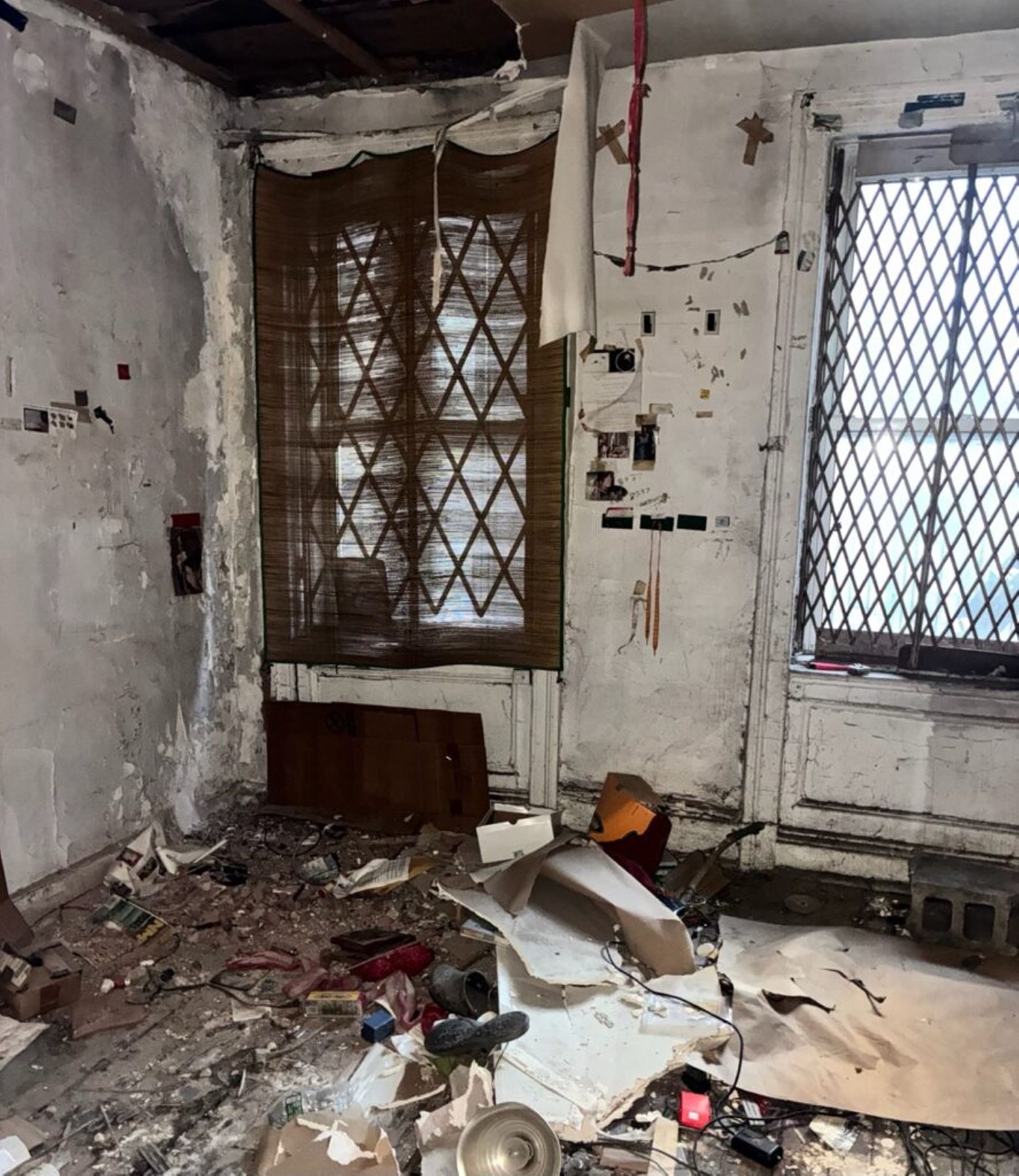
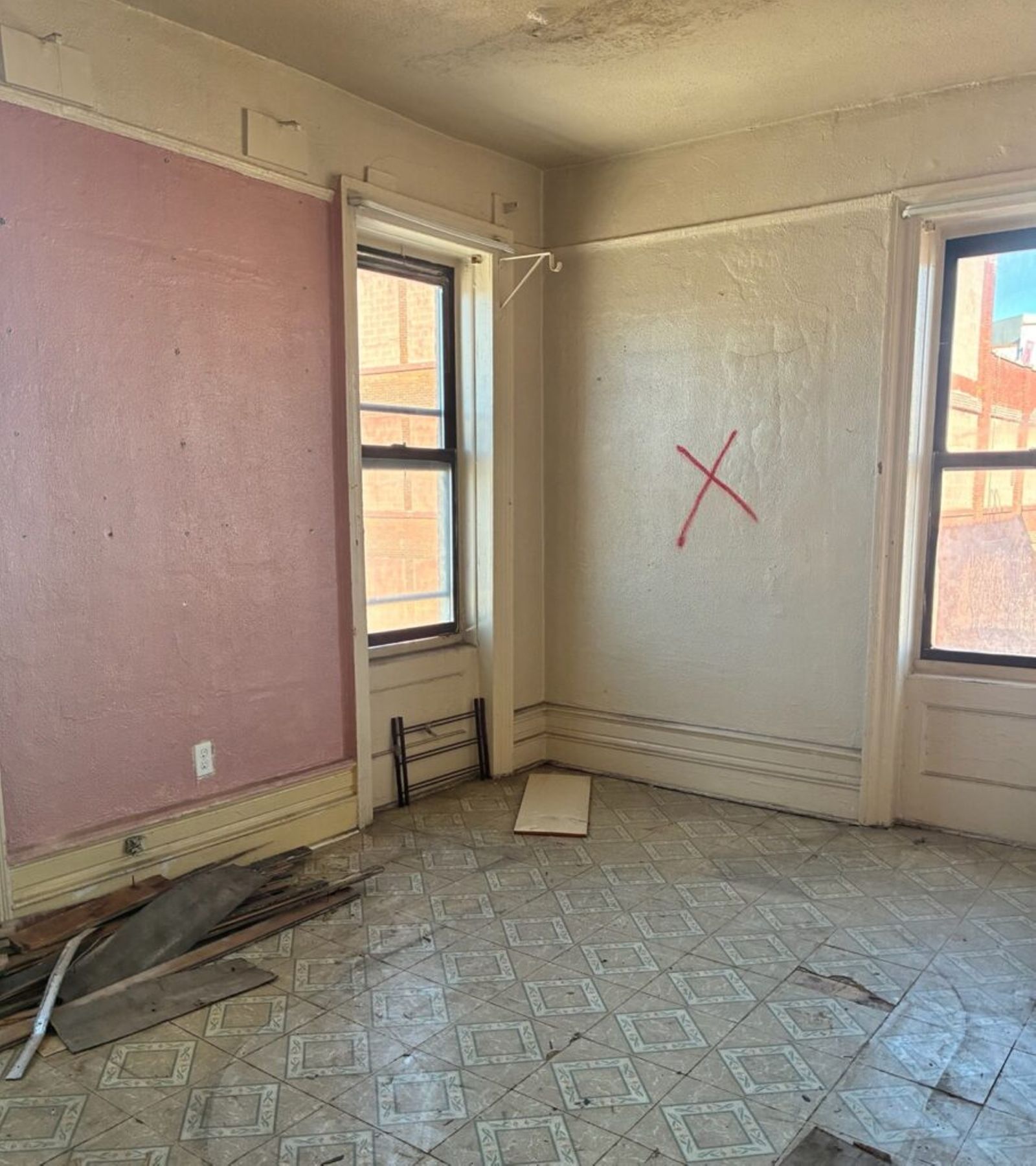
Much of the predicament at the East 6th Street building and the apartments on Valentine Avenue can be traced back to one piece of legislation: the 2019 Housing Stability and Tenant Protection Act (HSTPA). Passed by a Democratic majority in the state legislature, HSTPA eliminated landlords’ abilities to raise rents after units were vacated, or when they exceeded $2,775 per month. In doing so, it also eliminated their ability to make improvements profitably and reset the stabilized rent.
“New York is unique in its rent-control system,” Kenny Burgos, who heads the New York Apartment Association, said. “Even Los Angeles [gives landlords] an ability to reset rents after [apartments] become vacant.”
Burgos’s suggestion is to amend the law to restore landlords’ ability to raise rents after vacancy. Under this proposal, rents would continue to be subjected to the Rent Guidelines Board’s maximum increases while a lease is active. But landlords would be allowed to raise rents once the units come off the market, reestablishing the economic incentive to renovate. This would mitigate the effects of the below-inflation rent increases that the RGB has permitted over the previous decade.
Burgos didn’t endorse it, but there’s an even more effective option: eliminate rent stabilization entirely. This would let rents rise to meet demand while also making renovations profitable again. New Yorkers whose incomes are below a certain level could get a housing voucher, thereby restoring the investment required to maintain, construct, and operate buildings. New Yorkers would gain a sustainable solution to rent burdens while also keeping the existing housing stock in good shape.
Until one of these solutions is adopted, the problem of “ghost apartments” will only get worse—regulated rent increases will continue to undershoot inflation and renovation costs will continue to increase. Legislators in Albany should act now to get these apartments back on the market and ensure the longevity of New York’s housing.
Photo by Alexi Rosenfeld/Getty Images