
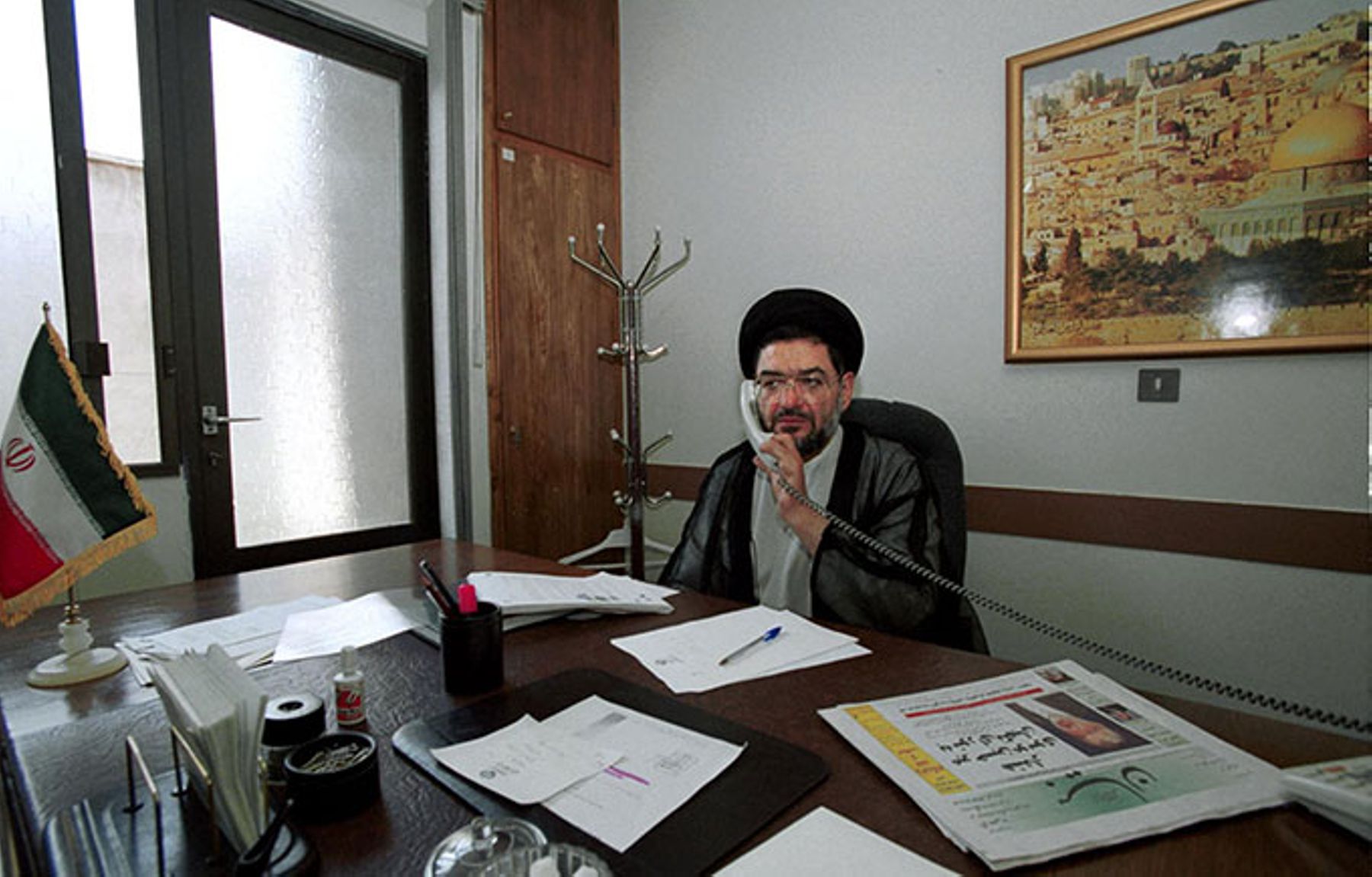
In Tehran back in the spring of 1992, I interviewed Ali Akbar Mohtashami, the hardline cleric who cofounded Hezbollah in Lebanon and helped carry out the devastating suicide car-bomb attacks in Beirut that killed 241 U.S. Marines in 1983. I recalled his pride in Iran’s attacks and his vow to continue them until Israel was destroyed, its Jews “sent back to the countries they came from,” and Iran had built its own nuclear bombs. As long as Israel existed and there were revolutionaries in Tehran, he told me, there would be “no Americans in Iran and no peace with America.”
Though Mohtashami died of Covid-19 in 2021, I will never forget his determination, and that of other senior Iranians I interviewed on my trips to Iran, to destroy Israel and humiliate America.
Finally, a reason to check your email.
Sign up for our free newsletter today.
Though the latest round of the conflict began on Feb. 28, when the United States and Israel began bombing Iranian military targets and infrastructure, Iran and America have long been at war.
Validating what Mohtashami told me, Iran, since the Islamic Republic’s founding in 1979, has repeatedly tried to conduct terror attacks in the U.S., threatening not only Iranian dissidents and foreign diplomats but also Donald J. Trump, former Secretary of State Michael Pompeo, and former National Security Adviser John Bolton, all of whom have required enhanced security. In the past five years, wrote Matthew Levitt in West Point’s CTC Sentinel, Washington has disrupted 17 Iranian terrorist plots in the U.S.
But after days of intense U.S.–Israeli pummeling from the air, is America still as vulnerable to Iranian terrorism?
Experts are divided. A great many say no. “There is always the possibility of such attacks,” David Petraeus, the former Central Intelligence Agency director, replied in an email. But he did not regard the threat as “particularly significant.” While he doubted that the Iranian regime would fall, given the existence of close to 1 million members of the Iranian military and paramilitary forces—the dominant Iranian Revolutionary Guard Corps alone numbers some 150,000 strong and the national police some 250,000—Petraeus believes that the regime’s ability to conduct mayhem abroad appears significantly diminished.
Soon after Trump joined Israel to launch the latest round of air attacks, dubbed Operation Epic Fury, the Department of Homeland Security asserted that it had identified “no threats” to the homeland.
“We haven’t seen any evidence yet of a major threat since the war began,” said Mitchell D. Silber, executive director of the Community Security Initiative, a nonprofit focused on keeping the Jewish community of New York safe. Despite that, he added, his organization, since the 12-day Israel–U.S. bombing of Iranian nuclear facilities in June, has urged synagogues and other Jewish institutions to increase patrols and strengthen security.
“We still don’t know whether Iran retains the capacity to stage a major terrorist attack in the U.S.,” he told me. “The key question is whether it still has a network of operatives here that it could activate, or whether such operatives would respond to orders from Tehran.” The most significant threat for now, he added, was the possibility of “spontaneous attacks by supporters or lone wolves inspired by Iran.”
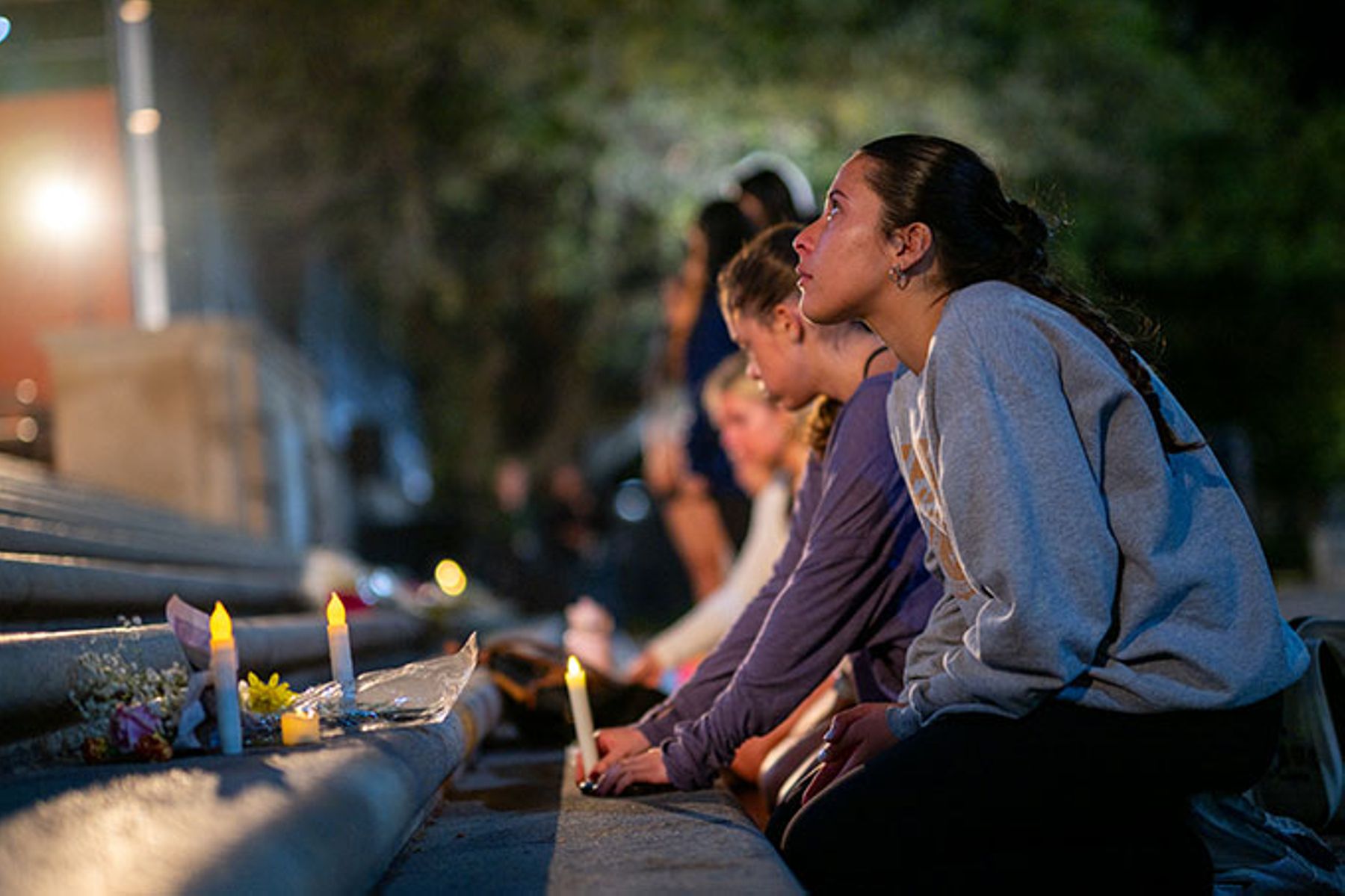
The U.S. has already experienced one such attack. In Austin, Texas, at 2 a.m. on March 1, the day after the U.S. and Israel launched their joint assault on Iran, a lone gunman wearing a shirt bearing an Iranian flag design and reading “Property of Allah” opened fire on the city’s main nightlife strip, killing two and wounding 14. The 53-year-old naturalized U.S. citizen, killed by police during the attack, was born in Senegal and had entered the U.S. on a tourist visa in 2000. After becoming a permanent resident in 2006 by marrying an American, he became a citizen in 2013. Police subsequently found an Iranian flag and photos of Iranian regime leaders during a search of his home in an Austin suburb.
A spokesman for the Federal Bureau of Investigation-led Joint Terrorism Task Force said that officials were examining whether the perpetrator, who had a history of mental health-related episodes, had self-radicalized or had connections to extremist networks. Stressing that the inquiry was still in its early stages, law enforcement officials said they had not confirmed a terrorism motive or a link between him and Iran or to any extremist Islamist group.
Still, Iran has long been intent on staging attacks on American soil, partly in payback for America’s long-standing intervention in Iran’s political affairs. The war against America began soon after the Islamic Republic’s creation, with the seizure in November 1979 of 52 American diplomats at the U.S. embassy in Tehran by a supposedly non-government-affiliated group of “students.” The detention of U.S. officials for 444 days riveted Americans and much of the world and helped cost President Jimmy Carter his reelection.
Iran scored one of its few terrorism successes on U.S. shores in 1980, when an Iran-connected gunman killed Ali Akbar Tabatabai, a former press attaché at the Iranian embassy before the revolution and an ardent critic of the Islamic regime, in suburban Washington, D.C.
“In the long term,” Levitt maintains, “there can be no doubt that Iran will turn to foreign plots of various kinds to avenge the loss of so many senior officials and the damage to Iran’s nuclear and ballistic missile programs.” Though Levitt was writing after the12-day bombing of Iran’s nuclear facilities last June, his concern about Iran’s determination to strike back, or its capacity to do so, has only increased now, he says. He warns that, with “the regime facing a potentially existential threat, it is reasonable to expect that the revolutionary guard will pull out all the stops in an effort to increase the cost to continuing the war.”
On Monday, ABC and the New York Post reported that soon after Supreme Leader Ali Khamenei was killed, Iran sent out an “operational trigger” to activate “sleeper assets” to several countries abroad. The coded signal was intercepted by U.S. intelligence and forwarded to local and state law enforcement agencies.
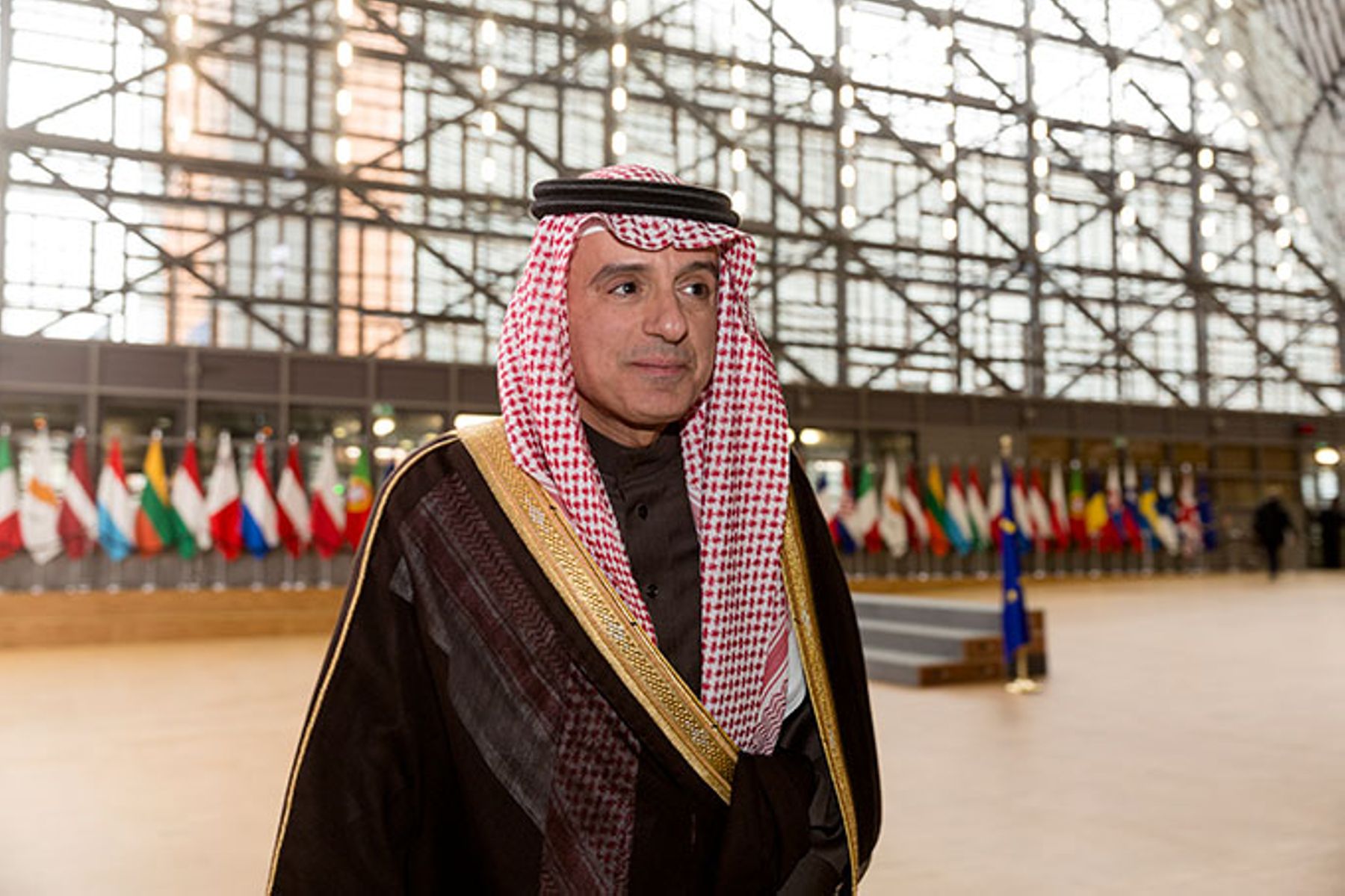
For years, the U.S. intelligence community asserted that Iran and its proxies were unlikely to conduct terrorism in the U.S. That complacency ended in 2011, after Iran tried to assassinate Adel al-Jubeir, then Saudi Arabia’s ambassador to the U.S., in a popular D.C. restaurant. Since then, Levitt concludes, Iran has been tied to 27 plots in the U.S., all of which have been thwarted.
In 2018, Iran began shifting its modus operandi. Rather than using Iranian nationals to stage attacks, it began hiring criminals—drug cartel members, Russian mafia, and even a Hell’s Angel—to conduct attacks at Iran’s behest. In 2022, for instance, the Justice Department indicted IRGC operative Shahram Poursafi for running a murder-for-hire plot that targeted former senior U.S. officials John Bolton and Mike Pompeo, both of whom had government-financed security until President Trump, angered by their criticism of him, ended it.
Iran’s leaders rival President Trump in holding grudges. In 2022, Salman Rushdie, the celebrated Indian-born author of The Satanic Verses, was repeatedly stabbed and nearly killed at a literary event in Chautauqua, New York, by a man inspired by Ayatollah Ruhollah Khomeini’s fatwa, a religious death sentence imposed on the author in 1989. Earlier, the book’s Japanese translator was stabbed to death, its Norwegian publisher shot, and its Italian translator knifed. Rushdie himself lived in hiding for years.
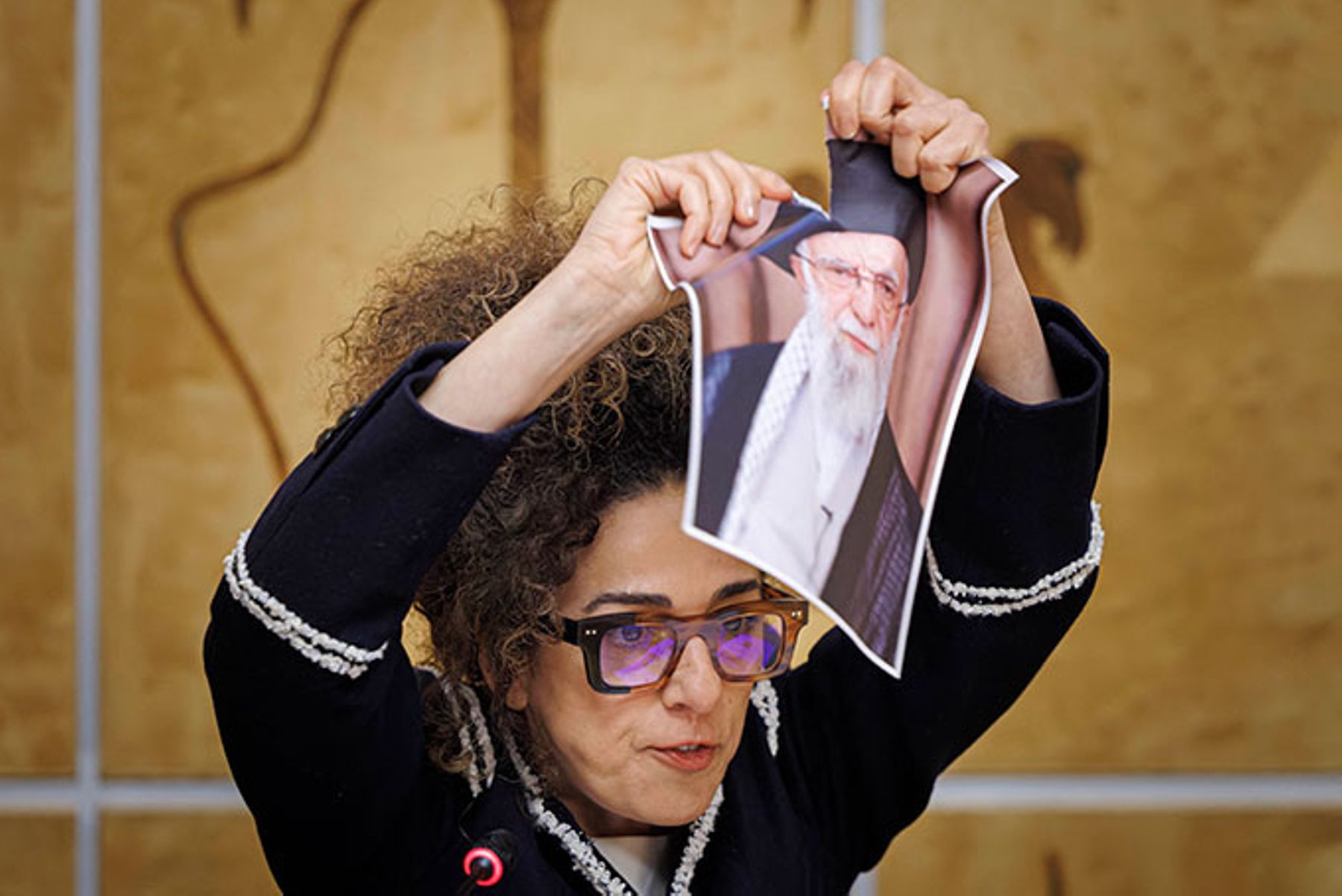
In 2022, Iran hired private detectives under false pretenses to surveil Iranian journalist Masih Alinejad, whom they plotted to kidnap from her Brooklyn home and send back to Iran. Though federal prosecutors indicted an Iranian intelligence officer and three accomplices connected to the plot, Iran was not deterred. In 2024, a second indictment asserts, another Iranian agent armed with an AK-47 assault rifle was arrested while trying to break into Alinejad’s house to kill her. In 2026, the perpetrator was sentenced to 15 years in prison for his role in the plot.
Iranian terror attempts have intensified over time, says Bruce Hoffman, a counterterrorism expert at the Council on Foreign Relations. Homeland security officials, he noted, have recently expressed particular concern about cyber threats to American infrastructure. Hoffman is also concerned about the Trump administration’s shift in focus from counterterrorism to immigration. He noted, for instance, that the administration had failed to issue a new National Terrorist Advisory System (NTAS) alert since the start of Operation Epic Fury.
Last week, the Federal Bureau of Investigation fired about a dozen members of an elite, Washington-based counterintelligence unit whose operatives and analysts specialize in thwarting terrorism from the Middle East because they had been involved in the investigation of Trump’s unauthorized retention of classified documents at Mar-a-Lago after leaving office in 2021. Several were part of an interagency task force known as the Iran Threat Mission Center.
Hoffman is concerned that highly visible events this summer—such as the World Cup soccer games and the celebrations surrounding the 250th anniversary of American independence—could be targets of Iran’s quest for revenge.
For now, however, many terrorism experts are most focused on the possible threat to New York—home to some 1 million Jews and 800,000 Muslims. “I’ve been worried about the city since the start of the bombing,” said Raymond Kelly, the city’s former police commissioner. “Iran definitely has capabilities,” he told me, “and New York remains a prime target.”
After condemning the attacks on Iran, Mayor Zohran Mamdani assured New Yorkers that they would be protected and beefed up security at sensitive locations, he said, “out of an abundance of caution.” The extra protection takes the form of well-established protocols initially put in place after the terror attacks of September 11, 2001. The NYPD has been operating at a heightened threat level since the 12-day war last June.
The NYPD’s Joint Operations Center has been monitoring threats “24/7,” said one counterterrorism official. NYPD officers were posted outside of Iran’s mission to the United Nations and at other cultural, religious, and high-profile locations. The NYPD’s intelligence analysts have been scanning city streets, bridges, subways, transportation hubs, and other sensitive infrastructure, with drones supporting security efforts from above. Intelligence analysts have also focused on steps to protect the city’s power grids and water infrastructure. K-9 units have been deployed in Times Square and other popular sites.
In the initial hours after the attacks on Iran began, “the NYPD enhanced our high visibility patrols, specialty counterterrorism units, as well as patrol officers around the city. That posture remains to this day,” Rebecca Weiner, the NYPD’s Deputy Commissioner for Intelligence and Counter Terrorism, told reporters.
“Iran has a stronger track record of plotting attacks than of successfully executing them,” Levitt concludes. “And yet, the terrorists only have to get it right once to be successful, while counterterrorism officials have to get it right every single time to avoid catastrophic failure.”
Experts also worry about the Trump administration’s ever-shifting priorities and episodic focus. “It’s Iran today, and Cuba tomorrow,” said one expert, who asked not to be identified. But Iran is nothing if not patient—and persistent. “For the Iranian regime,” wrote Hoffman, “revenge has always been a dish best served cold.”
Top Photo by Atta KENARE / AFP via Getty Images