
A year ago, the University of Florida Board of Trustees tried to install Santa Ono—former University of Michigan president and a champion of diversity, equity, and inclusion policies—as UF’s next president. Ono’s candidacy failed. Now the board is gearing up to make a similar mistake, this time with surprising support from Governor Ron DeSantis.
On May 18, the UF board announced its sole finalist for the UF presidency: Stuart Bell, former president of the University of Alabama. Within minutes of the announcement, DeSantis took to social media to praise the board’s choice.
Finally, a reason to check your email.
Sign up for our free newsletter today.
As a leader well-known for his higher education reforms, DeSantis presumably understands that legislation alone can’t fix a university. Good personnel decisions and a strong academic culture set by the school’s president are essential. Unfortunately, Bell’s record shows that he was a time server who championed DEI—and managed decline—at Alabama.
When he took the helm at Alabama in 2015, Bell pushed a strategic plan that made DEI a key pillar. He hired the university’s first vice president for DEI, Christine Taylor, who spearheaded the “Path Forward Diversity Report,” which ratcheted up the university’s “equity” infrastructure. Archived webpages show how the report became a de facto action plan, with each recommended strategy assigned a timeline and organizational lead. In 2022, after Alabama’s diversity efforts received national recognition, Taylor referred to the report as a “beacon” for the campus.
Alabama’s DEI overhaul shaped every facet of the university. The report called for “a robust network of diversity and inclusion leaders” that would “infuse diversity and inclusion efforts throughout the university community and operations.” It pledged to conduct “a review of the tenure and promotion process” to reward faculty for their diversity efforts and to embed “DEI competencies” into employees’ performance reviews. Using Orwellian language, it promised a “restorative justice program” for students who “engage in bias events.” And perhaps most troublingly, it aimed to establish a DEI course requirement in its core curriculum.
Bell showed nothing but support for this DEI takeover. In one promotional video, he boasts that more than one-third of the university’s undergraduate curriculum is “diversity related.”
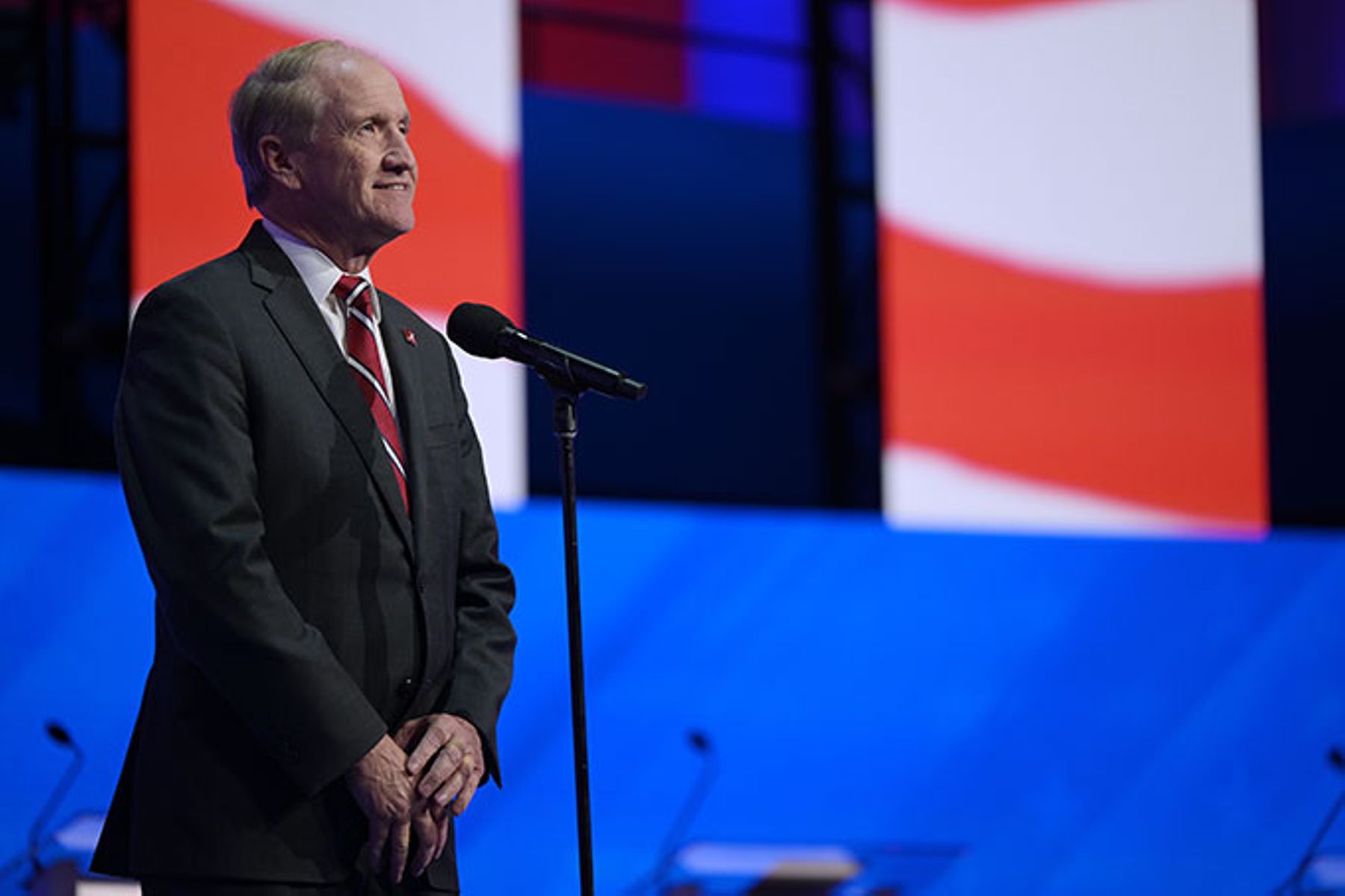
Under Bell’s leadership, Alabama became a nationally recognized diversity and inclusion pioneer. The Chronicle of Higher Education describes his diversity plan as one of the most robust in the nation. In 2022, Alabama won INSIGHT into Diversity magazine’s Higher Education Excellence in Diversity Award. Even after Alabama’s legislature abolished DEI offices at public universities, Bell merely renamed the office and retained its staff. Taylor remains a senior administrator.
Bell’s questionable judgment extends to other senior hires, whose scholarship focuses predominantly on issues of race, gender, and power. In her scholarly career, Susan Carvalho, Bell’s handpicked graduate school dean, specialized in gender and feminist studies, publishing a book on how the female protagonists of certain Spanish American authors “challenge the spatial barriers erected by capitalist hegemony.” Prior to becoming Bell’s honors college dean, Tiffany Sippial authored an “intimate biographical portrait” of Fidel Castro’s revolutionary associate Celia Sánchez Manduley. The book, according to one review, “helps readers reimagine the Cuban Revolution through a feminist lens.”
In exchange for this full-on embrace of DEI, Bell didn’t even secure a college rankings boost. Alabama saw its positioning fall significantly across his tenure. He is exactly the sort of careerist figure who has calmly presided over American higher education’s decline, ever willing to cede ground to the worst academic trends.
Some of Bell’s defenders dismiss his track record as irrelevant, since Florida has moved aggressively to end DEI in higher education. Mounting one such defense, UF’s official X account declared that “DEI is discriminatory by design, antithetical to the purpose of a university, and incompatible with the pursuit of truth”—then added, as if to reassure Bell’s skeptics, that the Board of Trustees has “embedded an anti-DEI mandate within the presidential contract itself.” The board seems oddly unconcerned that its pick for university president championed a cause that is “antithetical to the purpose of a university.”
Of course, when selecting a president, university trustees should look for more than mere opposition to DEI. They should look for candidates with a record of reform and a determination to reverse the academic rot in our universities. On all these counts, UF’s latest finalist is another swing and miss.