
The furor over the USA men’s hockey team visiting the Trump White House has faded, but the gap between sports media and the average fan lingers. Hockey enthusiasts celebrated the American players’ return to their local NHL teams, but journalists showered the squad with criticism for doing what dozens of teams from numerous sports had done before: visit Washington to be cheered by the president and the nation. What was acceptable in Barack Obama’s presidency, when more than 80 teams visited the White House, was denigrated under Trump as “a lustrous display of sportswashing.”
Sports media’s reaction to Trump’s congratulatory phone call and White House meeting with the men’s hockey team is the latest example of the field’s leftward lurch. Sportswriters were once local reporters who recapped games and delivered hard-won insights to fans. Today, they often work for national publications and hold degrees from left-wing journalism schools, alienating them from average sports fans.
Finally, a reason to check your email.
Sign up for our free newsletter today.
Back in 2018, I examined how the New York Times’s sports pages had been transformed by obsession with identity politics. The section had begun staking out this territory in 2002, when it attacked the host of the Masters Tournament, the National Golf Club in Augusta, for excluding female members, publishing nearly four dozen stories on the subject in that year alone. Newsweek accused the paper of “ginning up controversies as much as reporting on them.”
Four years later, Times sports journos seized on allegations that members of the Duke University lacrosse team had raped a black woman. Within a month, the paper had published some 40 tendentious stories on the affair. Coverage by the Times and other media outlets prompted National Law Journal editor Stuart Taylor to describe the whole matter as “An Outrageous Rush to Judgment.” When the truth of the incident—that the players had been falsely accused—emerged, the Times’s own public editor accused its reporters of having been insufficiently skeptical of some claims in the case.
Undeterred, the Times sports section ratcheted up its politicized coverage during Donald Trump’s first term—and sports journalism largely followed suit. Soon after Trump’s 2016 election, sportswriters began asking professional golfers whether they would be willing to play with the president. One reporter even surveyed pro golfers and explained to readers that many pros would happily play with Trump, in part because the sport’s “target demographic” is “rich, mostly white men” rather than “women, minorities, immigrants and Muslims.” Similarly, during the run-up to the 2017 Super Bowl, reporters interrogated NFL team owners and league commissioner Roger Goodell about Trump’s immigration policies and criticized the league for having edited out immigration-related questions from league press conferences.
The Times sports section has since been subsumed by the sports-subscription website The Athletic, which the paper purchased in 2022. But by now left-wing bias has spread throughout the field. In the wake of the USA hockey fracas, Clay Travis, founder of the website OutKick and one of the rare openly conservative voices in sports media, has ranked USA Today’s sports coverage as the most left-wing, followed by the Times-cum-Athletic, and then by sites like SB Nation and ESPN. Travis argues that sports journalism itself has grown so out of touch with average fans that the whole field is simply “broken.” Readers old enough to remember when a publication like Sports Illustrated was a must-read will probably agree.
Recent research documents sports media’s growing obsession with politics. A research team at the University of Texas at Austin, for example, examined how often certain topics appeared on the homepages of two prominent sports sites, ESPN and Yahoo Sports, across 100 randomly selected dates in 2024. They found that political stories featured regularly on the sites’ homepages: 94 out of 100 days at ESPN, 93 at Yahoo.
Fans, by contrast, want these outlets to stick to sports. In a poll taken for the same study, proctors asked self-identified fans to rate on a scale of 1 (strongly disagree) to 7 (strongly agree) whether they agreed that “sports and politics should not mix.” The overall score among fans was 5.15—well above the neutral midpoint and firmly in agreement that sports and politics are best kept apart. While Republicans and independent voters were most likely to concur, even Democrats’ responses exceeded the midpoint.
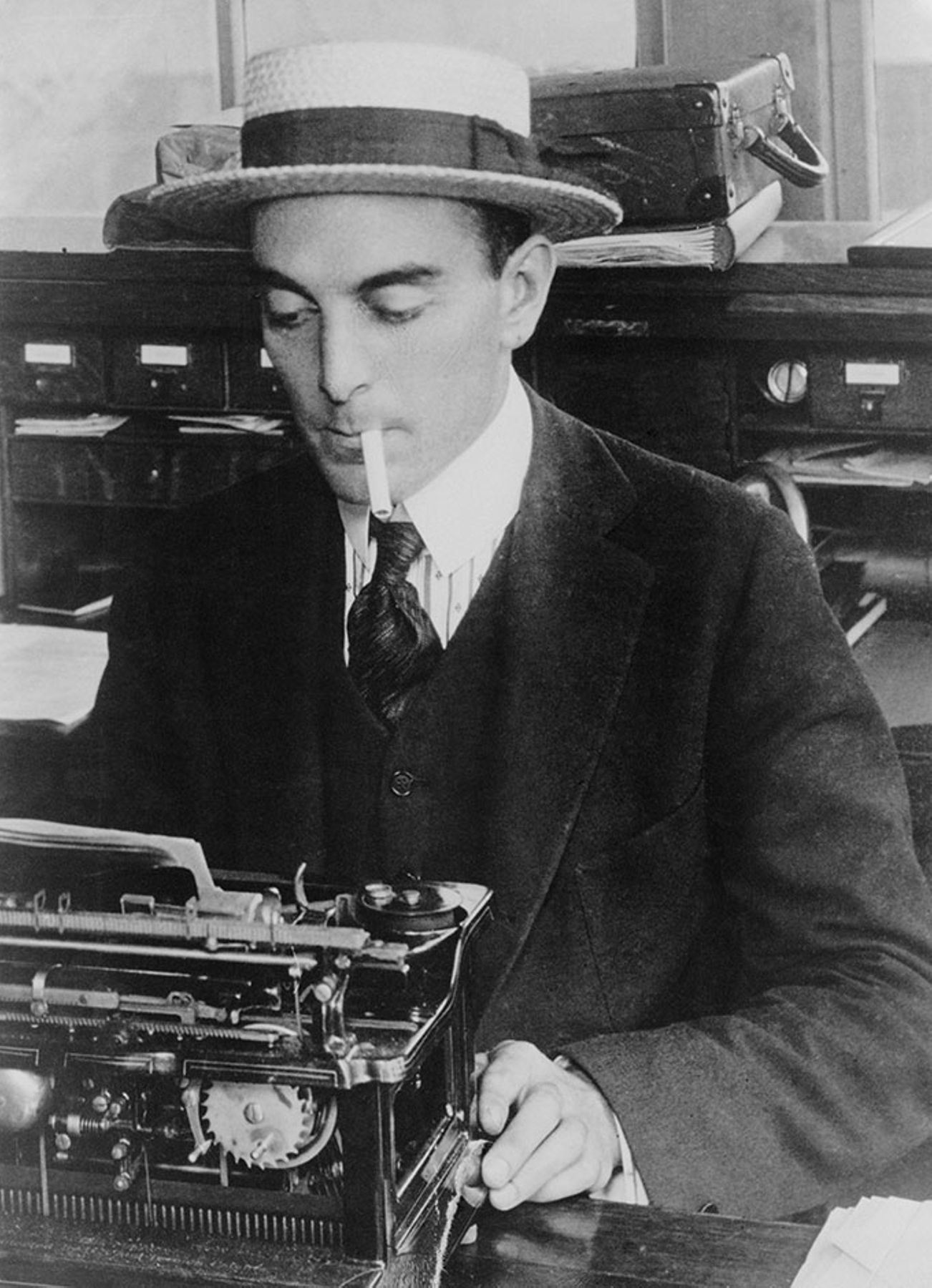
Sports journalism has changed dramatically. The field emerged in the nineteenth century alongside the formation of professional sports teams and leagues. In an age before television and radio (and long before streaming services), sportswriting consisted of local newspaper coverage of hometown teams by homegrown reporters, often embedded with the players. Pioneers like Ring Lardner, who began his career covering sports for the South Bend Times in 1905, and Damon Runyon, who served variously as a sportswriter and editor for several Colorado newspapers before covering baseball in the Empire State for the New York American, helped define the field’s potential. Runyon famously chronicled growing subcultures that emerged along with professional sports, such as colorful gambling figures whom he hobnobbed with and later satirized in his celebrated short stories.
Sportswriters nevertheless struggled for recognition within the larger journalism community for years, especially from elite publications like the New York Times. Adolph Ochs, who purchased the paper in 1896 and was its publisher until his death in 1935, minimized sports coverage. (A. J. Liebling, a Times copyboy, quipped that Ochs seemed intent on making the paper’s sports reporting “as uninteresting as possible.”) Only after a generation of sportswriters had grown popular at other publications did Ochs create the “Sports of the Times” column in 1927 to boost the paper’s appeal to fans. Though the Times subsequently published Pulitzer-winning columnists like Red Smith and Dave Anderson, its sports pages remained largely a dumping ground for reporters for decades. Former sports columnist Robert Lipsyte said the Times saw the section “as their comics,” and that many of its reporters “had f[*]cked up major assignments in news” and been “put into sports.”
Two dynamics have since changed the landscape dramatically. One is the rapid decline of local newspapers, and with them, the loss of homegrown sports coverage and the resulting consolidation of sports news in national sites often located in major metro areas. (The Athletic’s co-founder described his website’s business strategy as “wait[ing] every local paper out and let[ing] them continuously bleed until we are the last one standing.”) The second is the rise of credentialism in sports journalism, as a generation of would-be writers have crowded into journalism and communications programs at American universities. Gone are the days when someone like Runyon, who famously never finished grammar school, could be hired by a New York daily newspaper, or a high school graduate could get his start at a local paper’s sports section. Today, more than eight of ten sports journalists have college degrees, even as six of ten American adults don’t. While one could argue that covering subjects like international affairs requires some special training, the credentialing of sportswriters is unnecessary, and has created a caste of journalists shaped by left-leaning universities whose politics are out of step with those of fans.
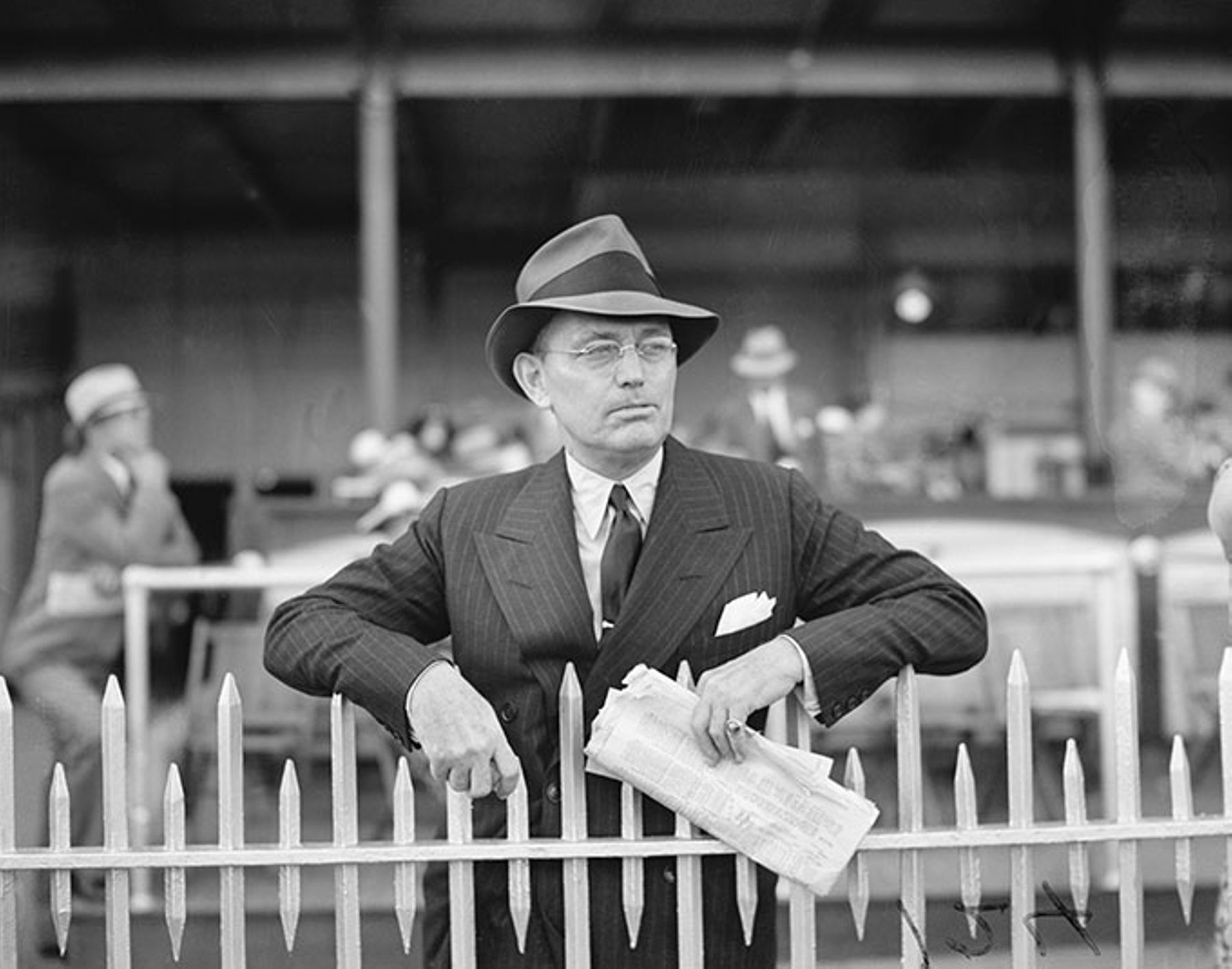
Sportswriting has subsequently become, like much of the rest of journalism, a giant echo chamber that doesn’t admit much outside “noise.” That explains why a columnist could accuse the men’s USA hockey team of having “lost some of the room” by visiting Washington or having failed “to meet the cultural moment,” even as fans cheered nationwide. The irony is that while sports journalism spent decades seeking respectability and credibility within its larger profession, in the twenty-first century, it is journalism in general that has “lost the room” and watched its trustworthiness with readers plummet. Too bad so many sports scribes seem intent on going down with this ship.
Top Photo by ANDREW CABALLERO-REYNOLDS / AFP via Getty Images