
This morning, SpaceX became one of the most valuable public companies on Earth. The company’s historic IPO raised nearly $75 billion, resulting in a total valuation of $1.77 trillion and setting the record for the world’s largest stock market debut.
The numbers have left some observers bewildered. SpaceX—which merged its launch and satellite businesses with Elon Musk’s artificial-intelligence company, xAI, earlier this year—generated a net loss of nearly $5 billion in 2025. Even so, the public offering values the company at roughly 94 times its total revenue, a multiple far higher than most major publicly traded companies.
Finally, a reason to check your email.
Sign up for our free newsletter today.
But investors are not buying SpaceX for last year’s earnings, or even next year’s. They are buying a company they believe will help unlock entirely new industries in the future, from dramatically cheaper access to space and global-satellite broadband to orbital manufacturing and space-based computing. It is, in effect, a multitrillion-dollar bet on humanity’s continued ability to push the limits of technology—this time beyond our own atmosphere.
Few companies have done more to turn ideas that once sounded like science fiction into commercial reality. Reusable rockets were once seen as space-age fantasy. Global-satellite internet seemed equally fanciful. SpaceX has successfully commercialized both. Its Falcon boosters now routinely land and fly again, dramatically lowering the cost of reaching orbit. Starlink, meantime, serves more than 12 million customers worldwide and is one of the company’s most profitable assets.
But in valuing the company at such stratospheric heights, investors are looking well beyond SpaceX’s existing rocket and satellite businesses. As artificial intelligence drives demand for enormous amounts of energy and computing power, the company is positioned to turn low-Earth orbit into usable commercial real estate. This includes the possibility of putting data centers in space, powered by nonstop solar energy and free from the resource constraints and permitting fights that increasingly complicate such projects back home. It could also mean relocating more of Earth’s industrial and manufacturing processes into space, where the unique conditions of microgravity enable new materials, pharmaceuticals, and production methods that are difficult or impossible to achieve here.
In this sense, the IPO is a wager on a new kind of frontier. In the nineteenth century, railroads opened the western frontier. In the late twentieth century, the internet opened a digital one. SpaceX represents the opening of a new frontier beyond Earth, with the potential for vast benefits to humanity.
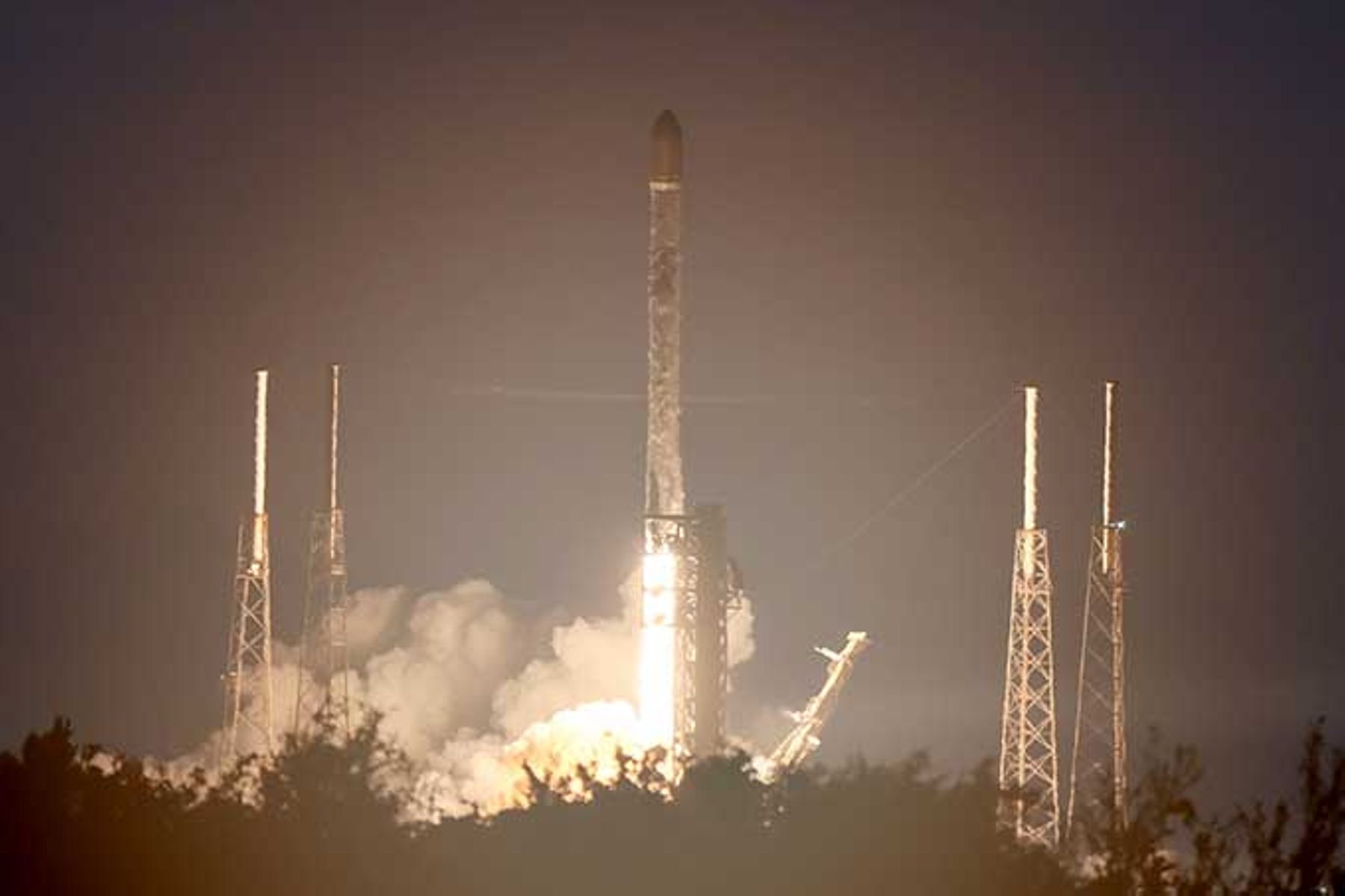
Much of the discussion has focused on the wealth the IPO will create for shareholders. But the wealth it generates for the next generation of space entrepreneurs may matter even more. For years, thousands of SpaceX engineers, early employees, and investors have accumulated enormous paper wealth tied up in private shares. Going public will make much of that wealth liquid for the first time. History suggests that such moments often trigger new waves of innovation. Silicon Valley was built in part by former employees and investors who took the proceeds from one successful company and used them to start another. A similar dynamic could soon emerge in the space industry.
As commercial-space entrepreneur Ariel Ekblaw recently observed, the IPO could unleash a “Cambrian explosion” of new space startups. Engineers who spent years building rockets, satellites, communications systems, and other advanced technologies will suddenly have the resources to pursue their own ideas. Investors enriched by SpaceX’s success will begin looking for the next generation of companies. Entrepreneurs who have been sitting on promising concepts may now have the capital to pursue them. Demand for access to orbit already exceeds SpaceX’s launch capacity. More competition and investment in this sector would strengthen the whole aerospace industry and could mark the start of a new phase of commercial space development.
There is undoubtably a lot of hype around today’s valuation. Some of the company’s most ambitious bets may take longer, or cost far more, than expected. But the offering is, at bottom, a powerful statement that humanity’s frontier remains open. Investors are committing vast sums of capital to the belief that new technologies can create new industries, new forms of wealth, and new opportunities that previous generations could scarcely imagine.
At a moment when so much of our politics fixates on limits, constraints, and dividing up a fixed pie, the SpaceX offering is a bet that human ingenuity can continue expanding the realm of the possible. It is a future worth rooting for.