
Earlier this month, Mayor Zohran Mamdani released a list of taxes he would like to raise to close the city’s budget deficit. The mayor’s “tax the rich” plan proposes a 2-point increase in the city income tax for those earning over $1 million, meaning that the city’s top rate would move from 3.88 percent to 5.88 percent. He also seeks to increase the city’s taxes on corporations.
Most have assumed that the fate of Mamdani’s proposal rests on decision-makers in Albany, as the city’s power to alter personal or corporate income tax rates requires explicit authorization by the state legislature. In their proposed “one house” state budgets, both the senate and assembly included legislation that would authorize some of the mayor’s tax proposals, most notably his request for permission to raise the city’s corporate income tax rates. Some state lawmakers seem open, but Governor Kathy Hochul has consistently voiced opposition to tax increases.
Finally, a reason to check your email.
Sign up for our free newsletter today.
But whatever Albany may authorize, the ultimate decision on city taxes will fall to the New York City Council. Under New York’s traditional legal and political arrangement, the governor and legislature do not raise city taxes directly. Instead, Albany passes laws that allow the city council, by local law, to establish new, higher rates of taxation on personal and corporate incomes. For example, Diana Moreno, Mamdani’s successor in the assembly, introduced a bill that would authorize the city, “acting through its local legislative body,” to levy “a surcharge of twenty-five percent on the tax liability imposed on any business subject to tax as a corporation.”
In the past, as part of the city’s budget formulation, the mayor and the city council, working through the council speaker, would reach an agreement on tax rates. They would then jointly ask the state legislature to provide the necessary authority for the city to adopt the agreed-upon local bills. It was a foregone conclusion that the city council would pass the local bills necessary to implement the new taxes.
Currently, however, there is no such accord between the mayor, the city council and the powers in Albany. City Council Speaker Julie Menin has not publicly endorsed high tax rates of any kind. She flatly rejected the mayor’s proposal for a property tax increase in the event that the city fails to raise income and corporate tax rates. “We’ve been very clear that is a nonstarter for us,” she said in a statement last month. “We cannot be raising property taxes 9.5% on the backs of small property owners, small business owners, Black and brown communities throughout our city. It’s just a nonstarter.”
More generally, Menin has suggested that the city should prioritize spending restraint, not tax increases, to close the budget deficit. She has expressed concern over the precarious state of the city’s economy, especially its recent anemic job growth. She has identified $1.7 billion in budget savings and pressed for reforms to employee health-care costs and no-bid contracts as potential areas for savings.
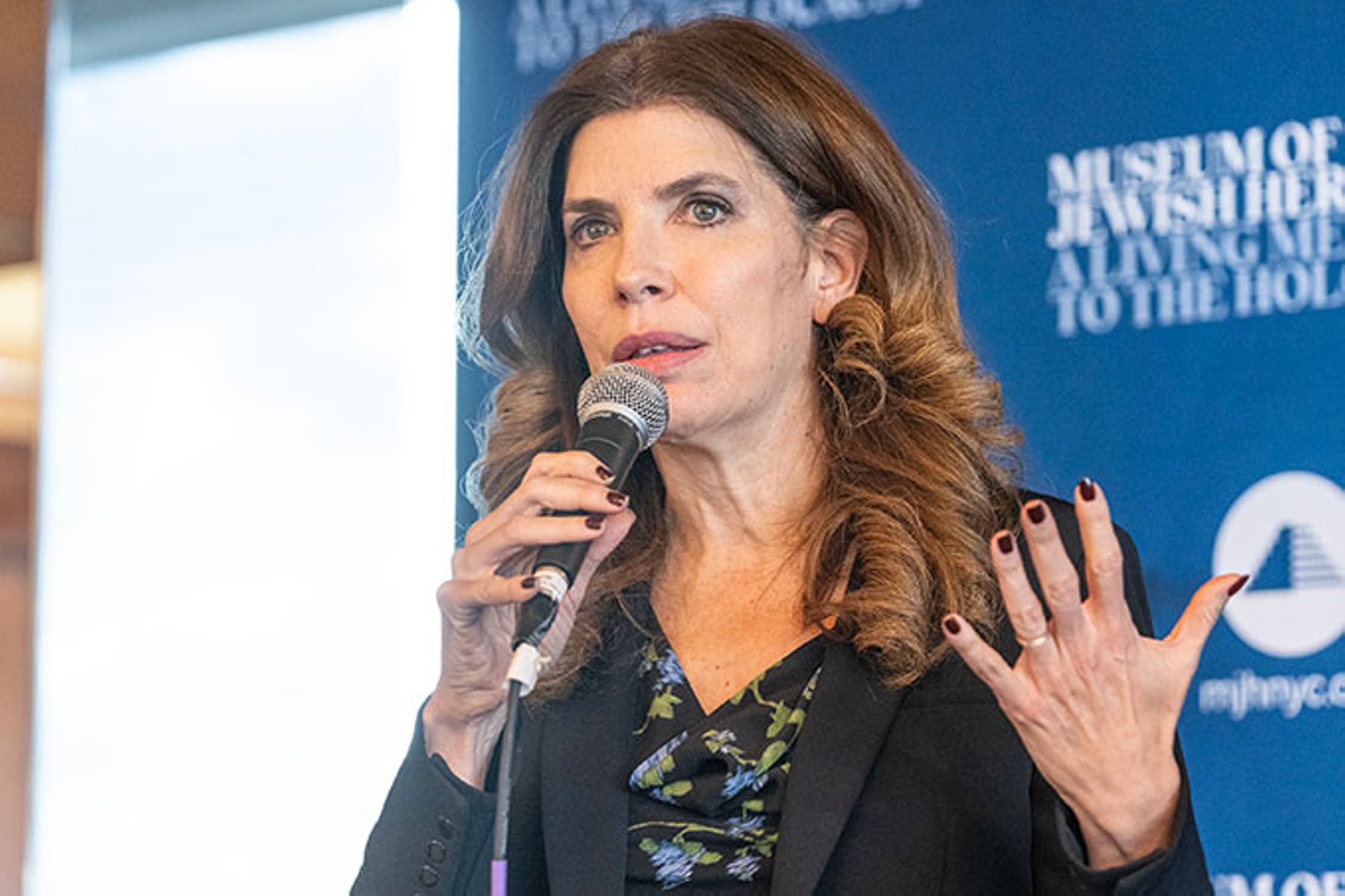
While the speaker holds only a single vote, she is the leader of the body. Elected by her fellow members, Menin controls the council’s agenda and the composition of its committees. A speaker is rarely at odds with a substantial number of 51 members. Almost all legislation that comes to the floor enjoys overwhelming support, and it would be extraordinary, if not unprecedented, for the speaker to end up on the losing side of a vote.
Thus, should Albany authorize tax increases in the state budget, the authorization could create a circumstance in which Menin and senior leaders in the council, like Finance Committee Chair Linda Lee, oppose the local legislation necessary to implement the tax increases. This would pit the moderate Democratic leadership of the council, allied with the city’s business community, against a progressive mayor and his boosters in Albany who promised to “tax the rich.”
With 24 members, the city council’s “progressive caucus”—all of whom would likely support the opt-in local legislation—is two votes shy of the simple majority required to pass a local law. All five Republican council members are likely to oppose any tax increases. It is not clear whether any of the remaining 22 members, including Menin, would vote with Mamdani.
Should Albany authorize the city to increase any tax rates, Mamdani will insist that doing so is the city’s only morally and fiscally responsible option to achieve solvency. The city council will face enormous political pressure to enact the mayor’s agenda, especially given the looming July 1 budget deadline.
An old political jibe derides the city council as less than a rubber stamp, because even a rubber stamp leaves an impression. Menin and her colleagues may soon have an opportunity to put the lie to that quip and leave a profound mark on the city.
Top Photo by Spencer Platt/Getty Images