
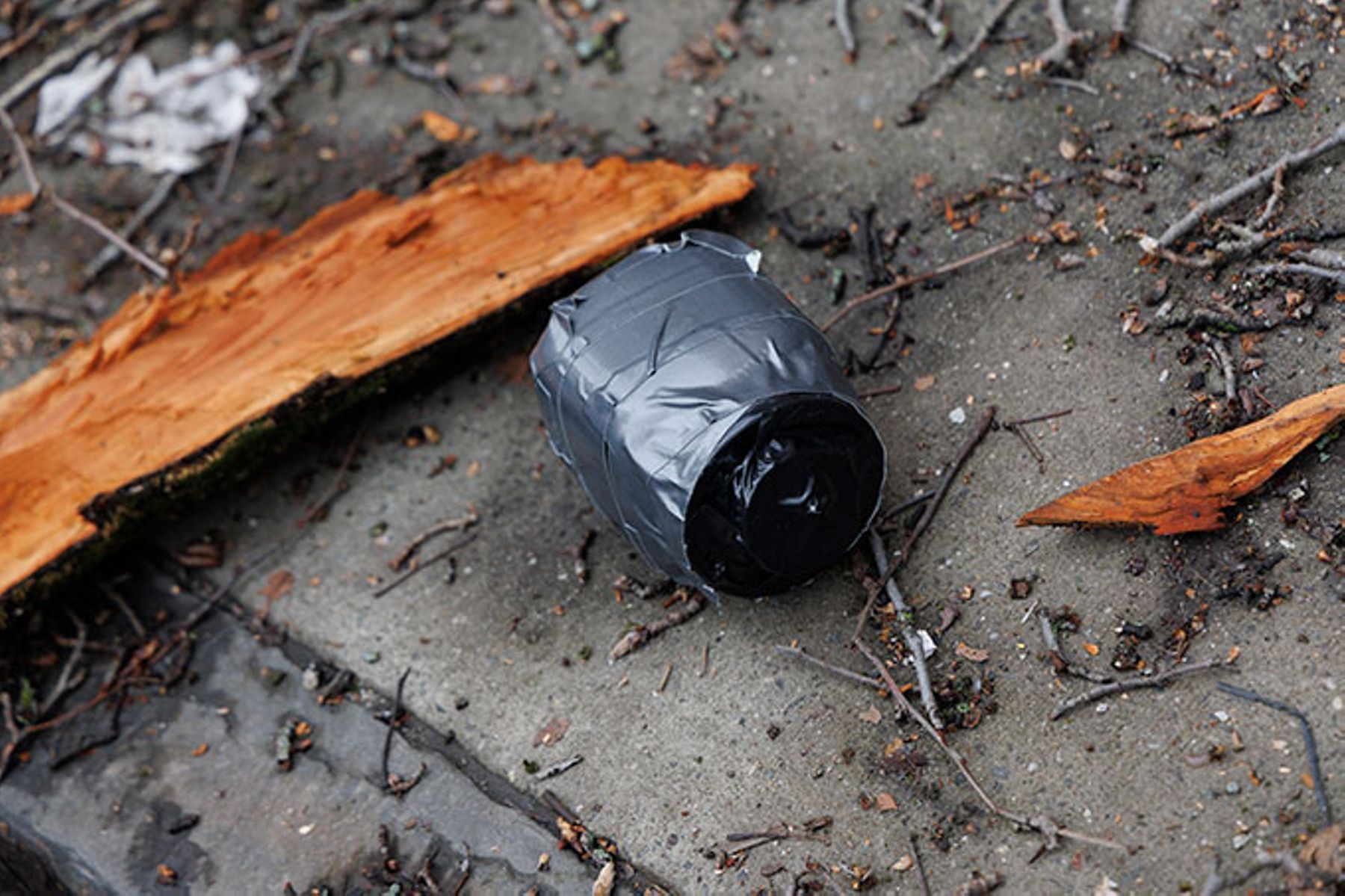
Police arrested two men on Saturday for allegedly throwing two homemade improvised explosive devices at officers and anti-Muslim protesters outside New York City’s Gracie Mansion. According to law enforcement officials, the devices contained Triacetone Triperoxide, a highly volatile homemade explosive that has been used in successful IED attacks around the world. Fortunately, the attack was unsuccessful, as neither of the explosives detonated.
The attack is a sobering reminder that New York City remains a top target of Islamic terrorists. Moreover, it illustrates the problems with Mayor Zohran Mamdani’s hostility to policing protests—and his discomfort with naming radical Islam when it rears its head.
Finally, a reason to check your email.
Sign up for our free newsletter today.
Federal prosecutors have charged both suspects—Emir Balat, 18, and Ibrahim Kayumi, 19, both of Pennsylvania—with attempting to provide material support to ISIS, using a weapon of mass destruction, and multiple criminal counts involving the possession and transportation of explosives and destructive devices.
That federal prosecutors have concurrent jurisdiction relieves New Yorkers from worrying about the challenges of a state case. A New York judge would have been legally barred from holding Balat and Kayumi in pretrial detention based on the risk they posed to the public. Local prosecutors would have been obliged to comply with the state’s onerous discovery rules, which have led to a sharp uptick in case dismissals. Unfortunately, not every serious crime in New York City will come with such a convenient federal off-ramp.
Saturday’s attack also highlights the problems with Mayor Zohran Mamdani’s past discomfort with—if not explicit opposition to—how the NYPD polices protests. The Left has criticized the use of policing and surveillance assets for crowd control. Mamdani has long been a proponent of dismantling the NYPD’s Strategic Response Group (SRG)—which the city formed to respond to “citywide mobilizations, civil disorders, and major events with highly trained personnel and specialized equipment”— particularly because of how it has responded to protests.
At a Monday press conference, the mayor commended NYPD officers for their response to the attack. He also acknowledged that those officers “faced a chaotic situation that very quickly could have become far more dangerous.”
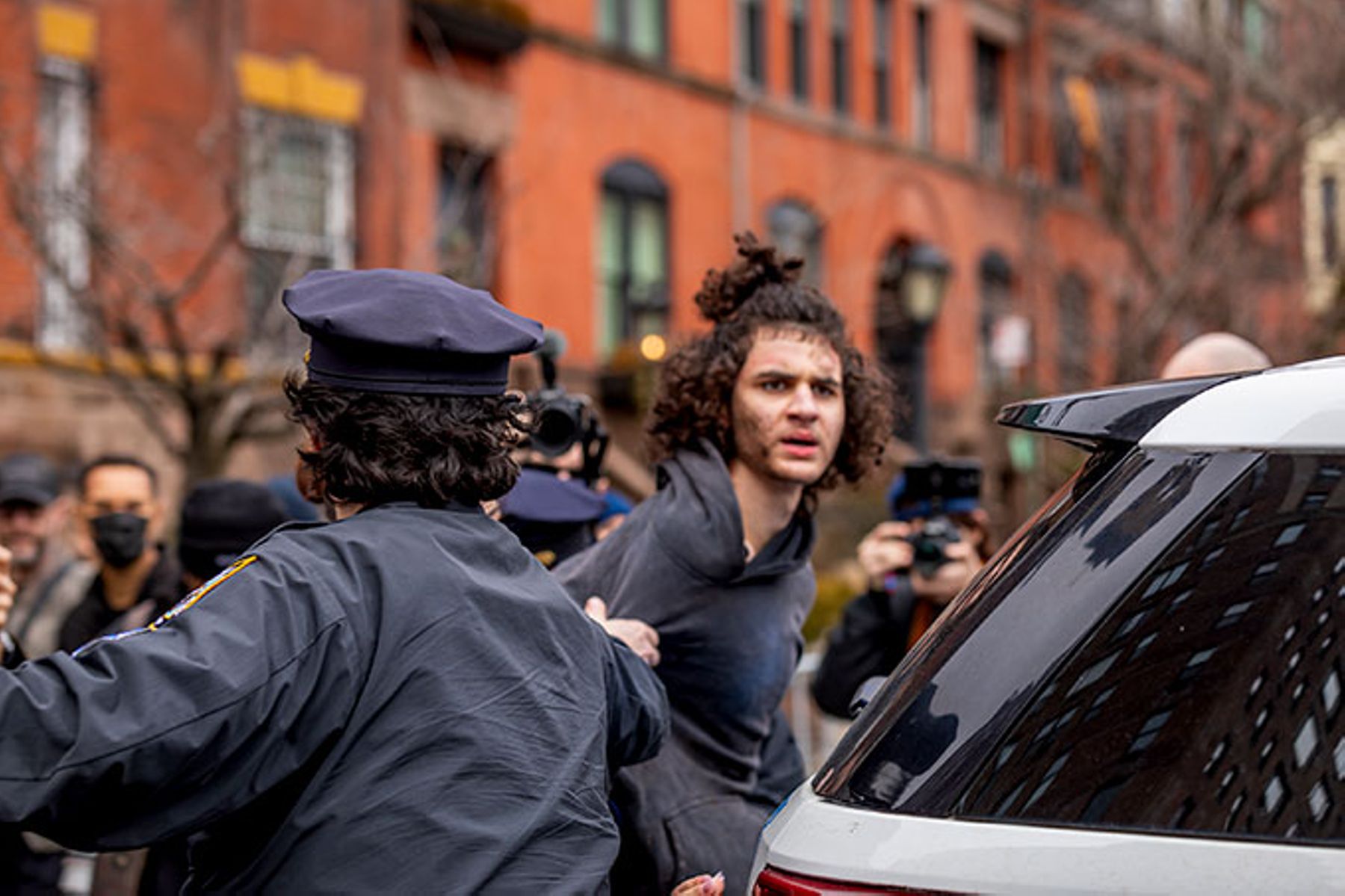
That chaos is precisely why the Mamdani administration can no longer deny that protests and other large gatherings are soft targets that need to be appropriately policed. Consider the context of Saturday’s events: a provocateur, Jake Lang, whose previous demonstrations have become targets for violent counter-protests; a demonstration against radical Islam at a time when the U.S. is engaged in hostilities in the Middle East; a counter-protest scheduled at the same sensitive location, Gracie Mansion; and all events known a week in advance. In spite of all this, videos and photos taken during the dueling protests show patrol and community affairs officers, as well as supervisors in uniform, but no counterterrorism assets like SRG.
This just raises more questions: Did NYPD do a threat assessment? What did it say? Why wasn’t SRG on scene? Why not have both bomb-sniffing dogs and plainclothes officers in the crowd?
At a Monday afternoon press conference, NYPD Commissioner Jessica Tisch did tell reporters that SRG was near the protest “in a backup capacity” and that they were deployed to the scene “as soon as mayhem ensued.” But why weren’t they deployed earlier? One suspects a connection to Mamdani’s dislike of the unit.
Saturday’s incident further shows why Mamdani should not go ahead with plans to cancel the hiring of 5,000 additional cops over the next two years. The NYPD’s counterterrorism needs are substantial. The future risk of a mass-casualty event is clear. Meeting those challenges will be harder still for a department that is thousands of officers short of a full complement.
The city got lucky on Saturday. Mamdani cannot continue to rely on luck. He immediately must reconsider his opposition to a robust police presence—including SRG and other units trained in crowd control, surveillance, and counterterrorism—at large public gatherings, including protests.
While he’s at it, Mamdani should work on his public responses to such attacks. The mayor’s initial statement did not issue until the following afternoon. When it did appear, it was wholly inadequate.
Mamdani began with a condemnation not of the would-be bombers but of Lang, whom he referred to by name as a white supremacist in the very first sentence. By contrast, he failed to name either of the two attackers, though their names were by then public. Nor did he allude to their motivations, despite the clear, publicly available evidence.
Mamdani’s apparent reluctance to label Saturday’s attack an act of radical Islamic terrorism is no more reassuring than his opposition to policing protests. One hopes that the loud criticisms of his response, if not also Saturday’s events themselves, will serve as important lessons for a mayor just two months into his term as leader of the world’s most important city.
Top Photo by CHARLY TRIBALLEAU / AFP via Getty Images