
Two-thirds of young Britons don’t recognize the significance of V-E Day, according to a survey from the Royal British Veterans Enterprise. The findings, released to coincide with the 81st anniversary of the end of World War II in Europe on May 8, expose Gen Z’s shocking historical ignorance of a military victory that, for decades, was central to British identity.
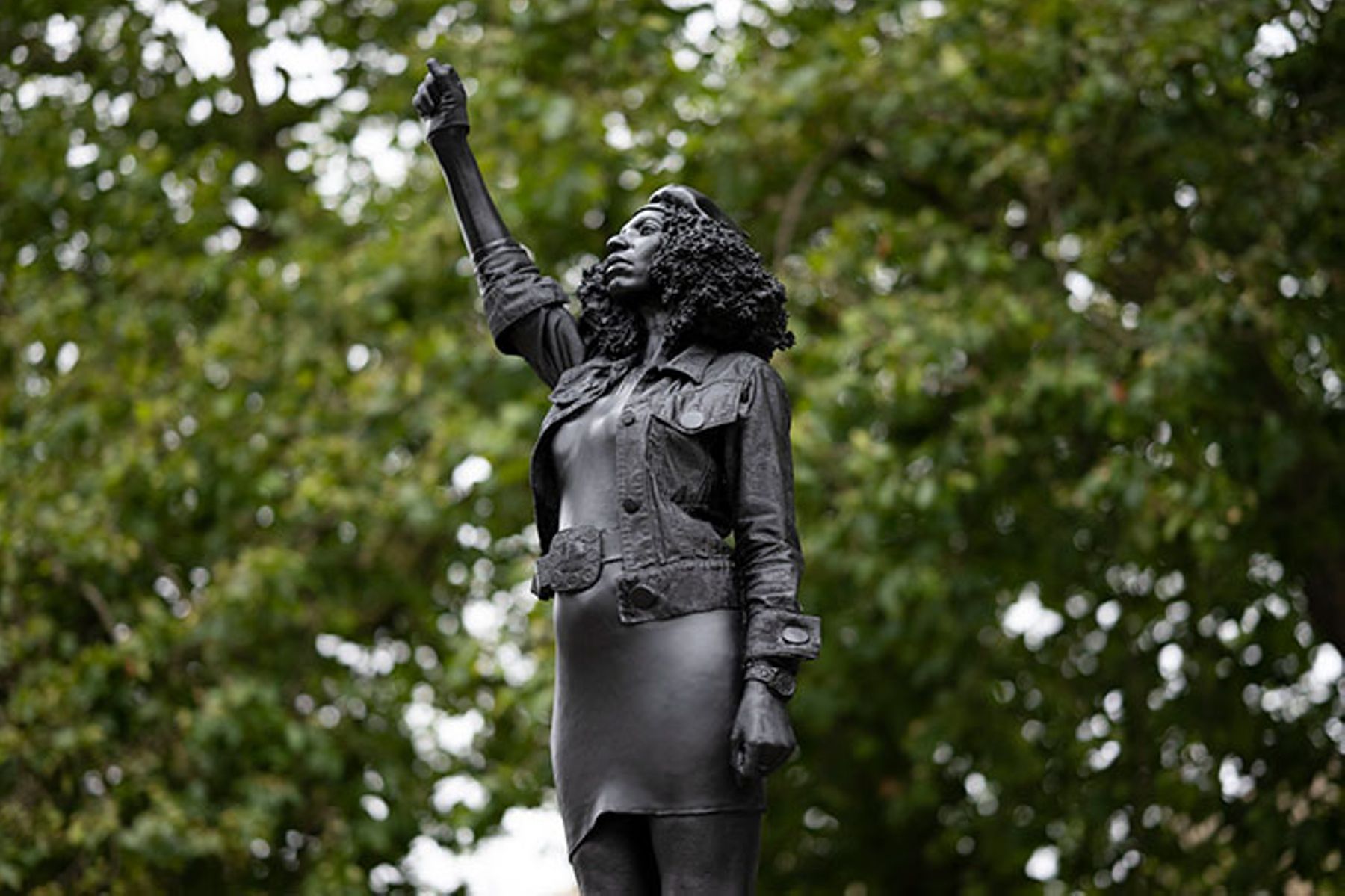
These findings are no surprise. Today’s young adults have grown up at a time when Great Britain is at war with its own past. They came of age viewing footage of Black Lives Matter protesters in Bristol toppling a 125-year-old statue of Edward Colston, a slave trader and philanthropist, dragging it through the streets, and dumping it in a nearby port. Though arrested for criminal damage, the protesters were feted in popular culture. One woman performing a black power salute inspired a sculptor to create a new statue for Colston’s plinth, which drew widespread media attention when unveiled. When one of the vandals appeared in court, he told the jury, as a reporter characterized it, that Colston’s statue was “like a racist piece of graffiti which the city council had failed to remove.”
Finally, a reason to check your email.
Sign up for our free newsletter today.
The incident typifies how the past is now viewed in Britain, at least among many young people. Everything that preceded them is considered wicked and sinful, a source of shame serving only as a moral lesson in how not to live and behave. Relics or monuments to the past are destroyed in bursts of iconoclasm, but it’s a conflict in which final victory can never be declared. New battles always remain to wage.
The school history curriculum has long been a focal point for these energies. Over the past four decades, government education secretaries, most notably the Conservative Party’s Kenneth Baker and Michael Gove, designed a balanced, rigorous, and chronological approach to school history lessons. But recalcitrant teachers and progressive organizations have sought to subvert the National Curriculum to meet their own political objectives. They have been broadly successful.
The latest attack on the past occurs under the banner of “decolonising the curriculum.” The National Education Union, Britain’s largest teachers’ association, argues that “decolonising education involves examining the limitations and biases of the current curriculum . . . and examining the political and societal legacies of colonialism and how they have influenced education policies.” The union assumes that the current curriculum teaches children a triumphalist version of Britain’s past that glorifies military victory and celebrates empire. Nothing could be further from the truth. For decades now, schools have rejected patriotism, not simply to teach a balanced account of the past but to encourage children to think critically about Britain’s role in the world.
The activists are not concerned with passing on a national heritage but with ensuring that pupils arrive at the correct (and witheringly critical) view of England’s past. Research has shown that 83 percent of schools made changes to “diversify” or “decolonise” their curricula following 2020’s Black Lives Matter protests. Pupils were presented with contested, ahistorical, or false claims, such as that Stonehenge was built by black people or that the genital mutilation of slaves in ancient Rome was an early form of “gender transition.” Currently fashionable progressive causes, not what is important and enduring about the past, too often shape history education. The past is either rewritten to produce a false narrative that pleases activists or mined for horror stories that induce shame while affirming the moral superiority of today’s young people.
The war against the past extends beyond the classroom. Venerable schools have changed the names of houses or buildings to distance themselves from men like Sir Walter Raleigh and Sir Francis Drake—two national heroes whose names, in the words of the head teacher of Exeter School in Devon, have “less than positive connotations” today. Similarly, Sir Francis Drake Primary School in southeast London changed its name after the legendary seafarer was said to embody values “at odds” with those of the school. It is now known generically as Twin Oaks.
Covering that story, the BBC described Drake as a “16th-century slave trader,” though he neither funded nor instigated such voyages. In the early years of his sea-faring career, Drake did captain slave ships on behalf of his cousin John Hawkins, before becoming more interested in stealing Spanish bullion. Though his involvement in the slave trade has long been acknowledged, it was never why Drake was feted. To generations of British children, Drake was a national hero, celebrated for leading the English navy to victory against the Spanish Armada in 1588, circumnavigating the globe, and captaining the first English voyage to pass through the Magellan Strait. He embodied British courage, determination, and military might. Now our schools seem to be telling children that the values he represented are not worth affirming.
Elsewhere, following a “comprehensive consultation,” students at Hinchingbrooke School, once known as Huntingdon Grammar, voted to remove the name of famous diarist Samuel Pepys from one of their houses because of his “abusive and exploitative” behavior toward women. At other schools, houses associated with figures such as Winston Churchill have been renamed to honor modern celebrities such as footballer Marcus Rashford and environmentalist Greta Thunberg. The aim seems to be to erase the past so that children can grow up in a Year Zero, willing recipients of new, more progressive values.
This crusade follows children through higher education. The University of Edinburgh renamed David Hume Tower, a building honoring Scotland’s greatest Enlightenment philosopher, following the discovery of a questionable footnote in one of his works. The building’s is now innocuously known as 40 George Square. The University of Liverpool renamed Gladstone Hall, though former prime minister William Gladstone argued for an end to slavery and passed legislation to extend suffrage. But because his father was a slave trader and because William argued for gradual rather than immediate emancipation, his legacy was found wanting. The building was renamed after Dorothy Kuya, “Liverpool’s first community relations officer,” who helped establish a slavery museum.
Using history as a resource for present-day concerns turns the past into a moving target. Figures heralded in one decade are derided in the next. When I was in school, amid concerns about the underrepresentation of women in the curriculum, I learned about Florence Nightingale and her heroic dedication to nursing in the Crimean War. By the time my children enrolled, they were being taught that Nightingale was racist and discriminated against a Caribbean nurse, Mary Seacole. As political fashion has shifted from sex to race, the activists’ version of history updates itself accordingly.
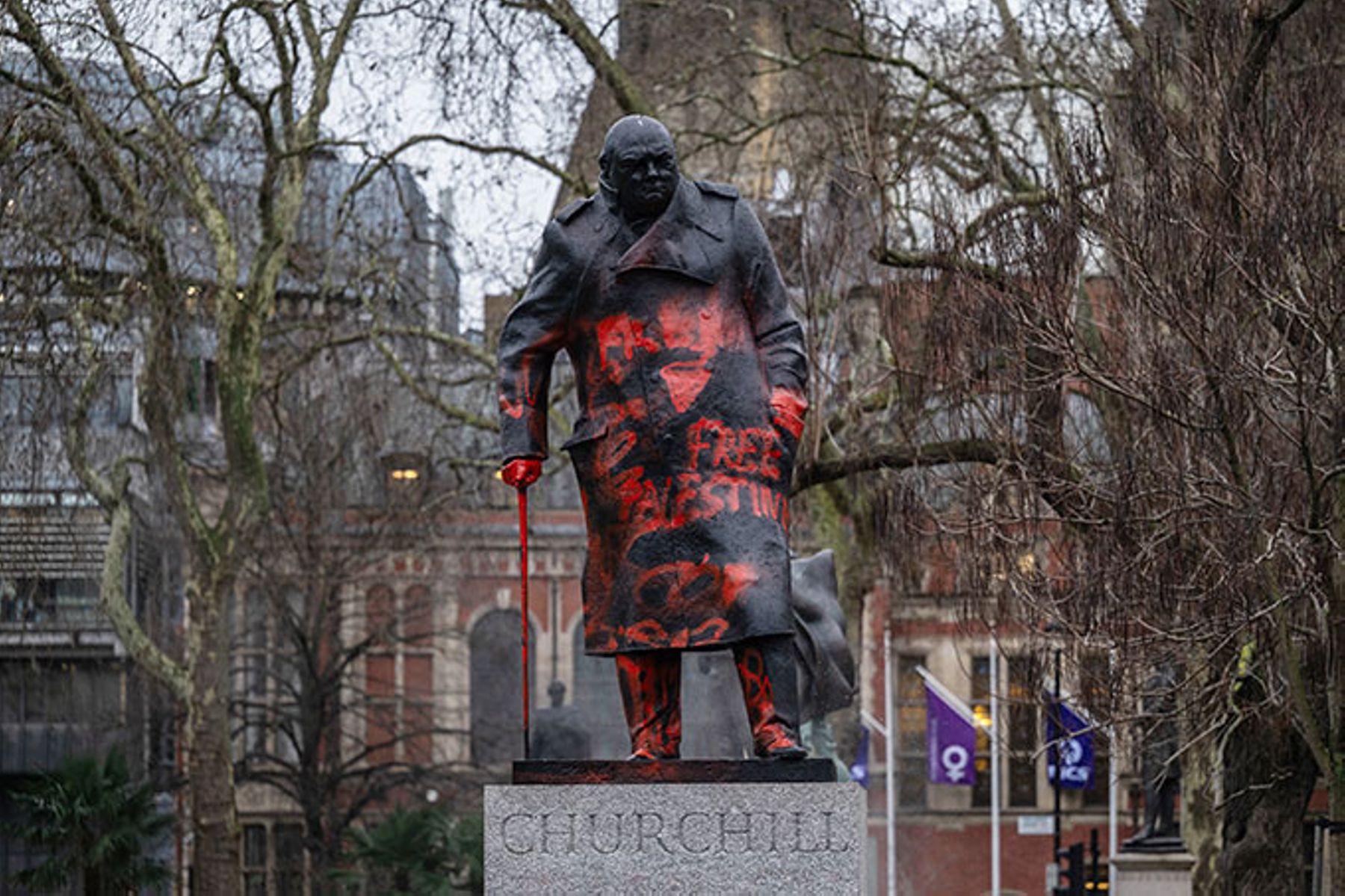
If we mine the past only for its failures and crimes, we cannot give children a balanced view of British history. As the lack of awareness about V-E Day shows, today’s young adults have only a vague understanding of the role Britain played in defeating Nazism. The Churchill statue that stands in Parliament Square in London is a popular target for vandals. The political exploitation of the past ensures that a generation of young adults is compelled to exist in a state of presentism, with no roots or reference points outside of their immediate experiences. Gen Z Britons are left alienated from their ancestors, their nation and its legacy of human achievement, and the potential for moral improvement.