|
Forwarded this email? Sign up for free to have it sent directly to your inbox. |
|
|
|
Good morning,
Today, we’re looking at an illegal cannabis empire in California, the value of tort lawsuits in fighting potential AI harms, reasons for the Left and the Right to support Flock cameras, and why public education in New York is falling behind.
Write to us at editors@city-journal.org with questions or comments. |
| |
|
Photo credit: Haley Strack/City Journal |
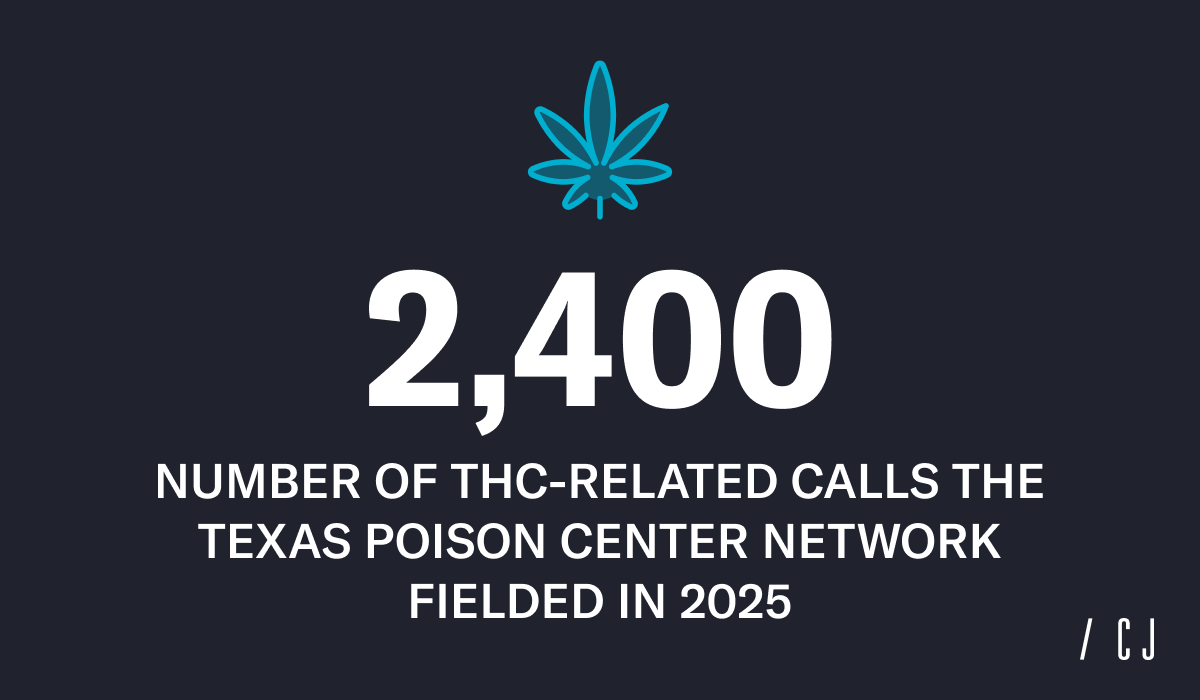
Siskiyou County is home to a towering mountain, pristine lakes, and unparalleled natural beauty. In recent years, however, Chinese nationals have infiltrated this rural California hideaway to build a massive marijuana empire.
Christopher Rufo and Haley Strack spoke to county law enforcement, called policy experts, and profiled a raid on an illegal pot farm. It turns out that illegal growers are raking in billions, feeding the local drug trade, and, in some cases, using toxic Chinese pesticides that could poison Americans. One group, they report, seems poised to benefit from the chaos in Siskiyou: the Chinese Communist Party.
Read more. |
|
|
Today, other than copyright cases, most litigation against artificial intelligence companies involves people suing them for encouraging bad behavior. Lawsuits like these encourage customers to avoid personal responsibility while giving trial lawyers massive payouts.
This is the wrong approach, Judge Glock argues. Instead, we should be using the tort system to handle harms that AI labs cause to noncustomers. “Potential tort liability has the benefit of putting the onus on companies themselves to game out dangerous scenarios and prevent them,” Glock explains. “Since AI frontier labs can engineer around harms caused by their models much easier than outside individuals can predict or avoid them, they should be assigned liability for any damages.”
And relying on bureaucratic control doesn’t work, either, given that outside experts are required to predict potential damages. “That approach forces AI companies to follow bureaucratic rules and procedures rather than try to figure out themselves what sort of harms might cause the most damage,” Glock writes.
Read more. |
|
|
Opposition to automated license plate readers (ALPRs)—especially those from the tech company Flock—is increasingly a bipartisan affair, rallying left-leaning organizations like the ALCU with libertarians over privacy concerns.
But there may also be room for a countervailing left-right pro-ALPR alliance, argues Dario Marino: “This coalition would focus on the potential for automated license plate readers (ALPRs) to accomplish objectives desired by both sides: reducing crime and restoring public order, on the one hand; fewer traffic stops and less coercive law enforcement, on the other.”
By making crime detection faster, ALPRs allow police departments to arrest more wrongdoers without massive hiring surges, and with fewer of the pretextual police stops that arouse opposition on the Left.
“If ALPR critics on the Right want more policing with less government intrusion, they should push for stronger rules governing the use and capture of camera data, especially limits on data retention,” Marino writes. “If critics on the Left want to reduce the ‘wrong’ kind of policing, they should support the push for better targeted policing, not eliminate it altogether.”
Read more here. |
|
|
Enrollment in New York’s public schools has fallen by 9 percent, and eighth-graders read at a lower level than they did a decade ago. How can this be, when New York spends more than any other state on education?
“Dollars don’t matter if you aren’t spending them wisely,” Jennifer Weber writes. For instance, the state collects massive amounts of data, but it doesn’t properly evaluate its most important programs. Take special education. More than 20 percent of public school students have a disability, but the state doesn’t look at whether students are getting the services they need.
Similarly, while the state requires schools to help struggling students up to fourth grade, it doesn’t require schools to monitor their progress. Nor does it keep tabs on whether its teacher-education programs teach reading the way the evidence says they should. Read more about why New York public education is falling behind.
|
|
|
“There is only one reason for a government to deny or delay information it is legally required to provide: it has done something that reflects negatively on itself and it doesn’t want the public to know about it.”
|
|
| |
A quarterly magazine of urban affairs, published by the Manhattan Institute, edited by Brian C. Anderson. |
|
|
|
Copyright © 2026 Manhattan Institute, All rights reserved. |
|
|
|
|