“The political Right is fracturing,” writes Christopher F. Rufo. On foreign policy, anti-interventionists spar with internationalists; on the domestic scene, establishment conservatives contend with provocateurs like Nick Fuentes and Candace Owens. Meantime, President Trump has largely remained above the fray.
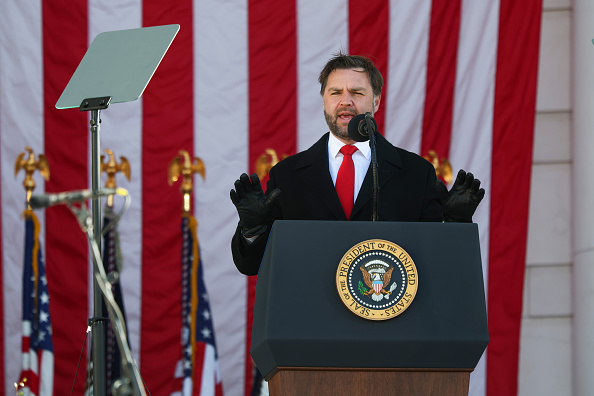
While this strategy has been helpful for the president and his administration, it has created a power vacuum on the right. Conservative institutions need a leader who can weave together the movement’s disparate strands and police its boundaries to exclude the politics of racialism and conspiracism. That person, argues Rufo, is Vice President J. D. Vance, who has both a “deep understanding of the MAGA base” and is “fluent in the language of conservative intellectual institutions.”
Vance can follow a useful historical example in undertaking this task. In the 1960s, Richard Nixon dealt with similar fractures on the right, sparring with the archconservative John Birch Society and eventually building a winning electoral coalition while marginalizing fringe elements.
“If Vance can stake out popular positions, maintain strategic distance from unpopular figures, and bring together the Right’s legitimate factions, he will have laid the foundation for a strong campaign,” writes Rufo.