|
Forwarded this email? Sign up for free to have it sent directly to your inbox. |
|
|
|
Good morning,
Today, we’re looking at the biggest threat to Fed independence, rising assaults in New York City, how borrowing caps will help grad students, Lamar Alexander’s new memoir, and a compelling new book about the Declaration of Independence.
Write to us at editors@city-journal.org with questions or comments. |
|
|
|
Photo credit: Al Drago / Contributor / Getty Images News via Getty Images |
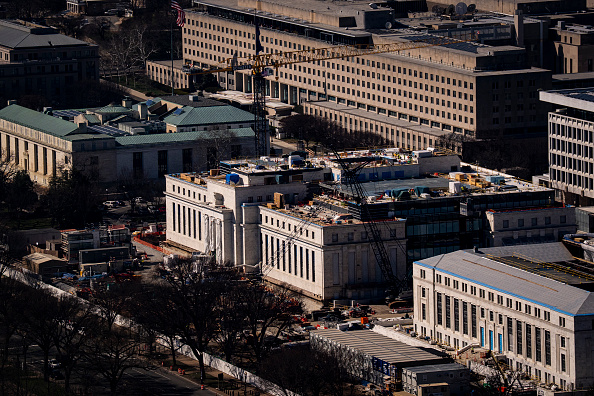
The independence of the Federal Reserve is critical for maintaining sound monetary policy. When central bankers are free from political considerations, they can honestly evaluate any short- and long-term ramifications of their decisions. So it’s no wonder that central bank autonomy has been such a frequent topic of conversation, especially with new Fed Chair Kevin Warsh now taking office. What is perplexing, Allison Schrager writes, is why those conversations seem to ignore the core part of the issue: the balance sheet.
“Any country that runs a large debt struggles to maintain an independent central bank, but that task becomes even harder when paired with a large balance sheet,” she explains. “A high debt burden tempts policymakers to inflate away debt or to keep interest rates low in order to reduce debt-service payments. Both are forms of financial repression, and both are enabled by a large balance sheet.”
Read more. |
|
|
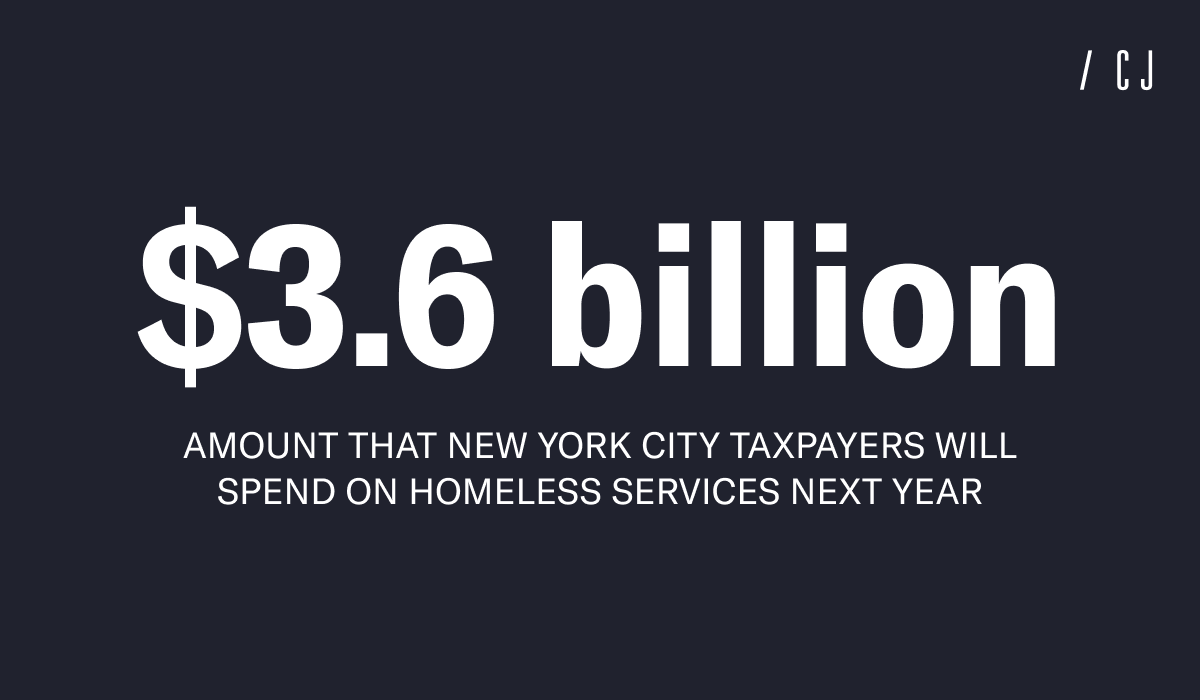
Last year, New York City recorded 309 murders, the lowest figure since 2018. Shootings are way down, too—at their lowest level, in fact, since 1993. Assaults, however, have moved in the other direction. The city saw nearly 30,000 of them last year, a 44 percent increase since 2019. The rise “appears to be driven not by serious gun violence committed by a small cohort of repeat offenders,” Charles Fain Lehman writes, “but rather by more marginal ones—men beating their partners, individuals attacking bus drivers or police, and other low-level acts of physical aggression.” Read more. |
|
|
The Trump administration is enacting targeted caps on graduate student borrowing, but critics misunderstand the policy’s benefits. Some colleges and universities have already adapted to the intended caps by cutting tuition, which is exactly what the policy intends to achieve. Systematic declines in higher education costs are unheard of in recent years, but targeted caps on borrowing may be an efficient way to make college more affordable.
“Critics are nitpicking around the edges and failing to understand how these policies could make graduate programs more reasonably priced in the future,” writes Manhattan Institute Paulson Policy Analyst Neetu Arnold. “Students who struggle to access programs because of cost should blame the graduate programs that fail to adapt to the caps—not the Trump administration for trying to rein in costs.”
Read more here. |
|
|
“Our time is defined by plummeting trust in institutions,” writes Carolyn D. Gorman. “Our posture toward institutions has changed, too: we use them but no longer serve them, forgoing any sense of institutional stewardship.”
For an antidote to that trend, Gorman recommends reading Lamar Alexander’s new memoir, The Education of a Senator. She describes how the former Tennessee governor and senator compiled a track record that places him “in the tradition of legislators who treated public office as something larger than themselves, defined by unique processes and procedures that they felt duty-bound to defend.”
How should leaders cultivate such stewardship? “Alexander’s memoir suggests that one should take an interest in institutions’ history—their rules, norms, and the people who built them,” Gorman writes. “That exercise imparts a sense of gratitude. We have our institutions because of the sacrifices of those who came before us.”
Read her review here. |
|
|
Readers looking for a well-written book to help celebrate America’s 250th birthday should look no further than National Treasure: How the Declaration of Independence Made America. Michael Auslin delivers “a fascinating history of the fortunes of liberty and equality in a country still seeking to fulfill pledges Thomas Jefferson made 250 years ago,” Edward Short writes. “Yet unlike some intellectual historians, Auslin does not overegg his pudding by delving into every conceivable book or source that might have influenced Jefferson.” Moreover, Auslin rightly argues for the centrality of the Declaration’s preamble, which, as Short maintains, “has as much to teach us about the bonds that tied generations of Americans together as it does about liberty and equality.”
Read Short’s review. |
|
|
“Because The State doesn’t want them to.
If young Britons ever learn just how strong their grandparents were, standing alone against the German war machine, they just might believe they could be strong enough to stand again. And the British government simply can’t have that.” |
|
|
|
A quarterly magazine of urban affairs, published by the Manhattan Institute, edited by Brian C. Anderson. |
|
|
|
Copyright © 2026 Manhattan Institute, All rights reserved. |
|
| |
|