|
Forwarded this email? Sign up for free to have it sent directly to your inbox. |
|
|
|
Good morning,
Today, we’re looking at a problematic study about transgender suicides, California’s LGBT certification program, a school contracting scandal in New York, and how state governments use off-budget enterprises.
Write to us at editors@city-journal.org with questions or comments. |
|
|
|
Photo credit: Spencer Platt / Staff / Getty Images News via Getty Images |
In 2024, the academic journal Nature Human Behavior (NHB) published a study that claimed anti-transgender laws increased suicide attempts among young people by 72 percent. The media touted the findings as evidence that Republican-led laws are creating an epidemic of self-harm among youth, while the study authors promoted the research as a cause-and-effect narrative.
Now, the study is crumbling under reexamination. A criticism published in the NHB last month shows that the research was pulled from a small sample in Idaho, and at a time when the state’s “anti-transgender” laws weren’t even in effect.
Rather than correct the record, the study authors and the media have been quiet. “To judge by how these things usually go, the study will almost certainly continue to be cited as settled fact, bolstered through citation laundering in scientific journal publications,” Leor Sapir writes.
Sapir explores in depth the many problems with the study here. |
|
|
MI has partnered with the Sun Valley Policy Forum’s Summer Institute, bringing some of your favorite City Journal contributors to Idaho’s iconic mountain town this summer: Heather Mac Donald, Reihan Salam, Ilya Shapiro, Shawn Regan, Jesse Arm, Judge Glock, Brandon Fuller, Mark Mills, and more. Friends of City Journal receive discounted registration. We hope to see you there.
|
|
|
|
Under California law, utilities regulated by the California Public Utilities Commission (CPUC) are required to buy goods and services from women- and minority-owned businesses. The program has since expanded to include LGBT-owned businesses as well. To secure certification, applicants can submit a letter from an “LGBT organization” attesting to their sexual preferences; show a newspaper description identifying them as “LGBT”; or provide three letters confirming their orientation. The CPUC lists several “goals” for utilities’ contracting rates: 15 percent to minority-owned firms; 5 percent to women-owned firms; 1.5 percent to disabled-veteran-owned firms; and, most recently, 1.5 percent to LGBT-owned firms.
“The state imposed these rules based on the view that government spending should not merely purchase goods and services, but should also engineer social outcomes,” Christopher F. Rufo and Austen Hufford write. “Under this framework, buying a hammer from a firm owned by a black transgender lesbian has more social value than buying the same hammer from a firm owned by a straight white man.”
Read more. |
|
|
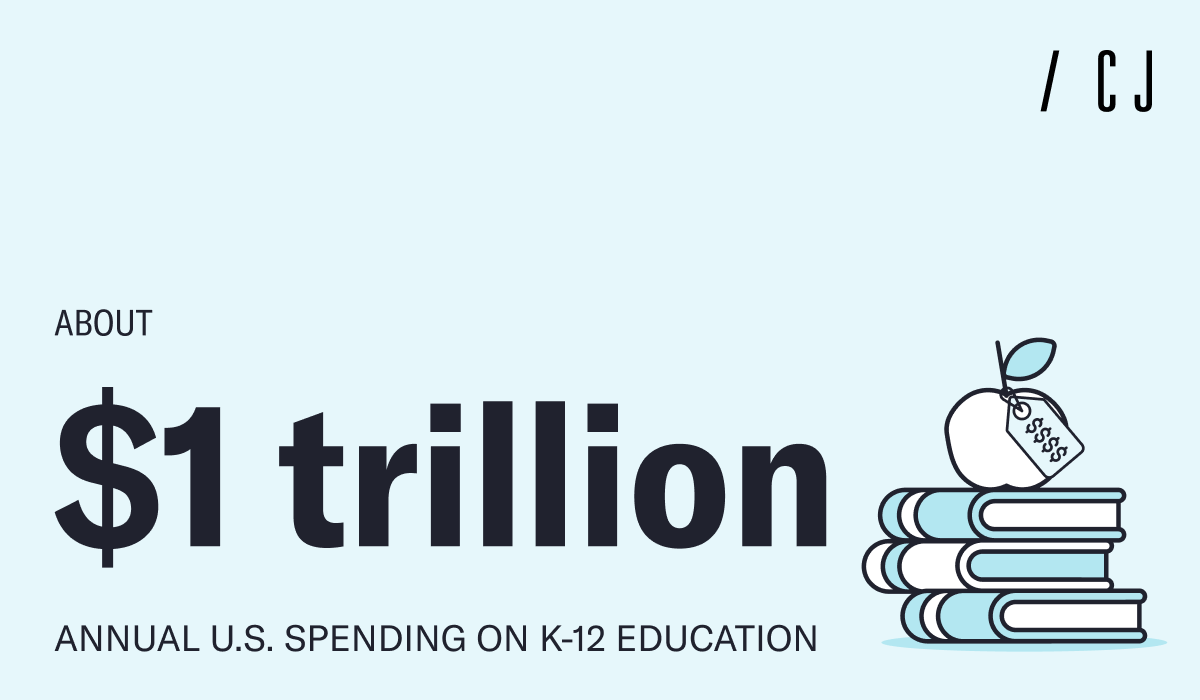
Last week, Sean Kreyling testified that because his company, Language Learning Network, was not an approved New York City Department of Education vendor, he was told to bill his $180,000 no-bid contract through two organizations. (Payments to unapproved vendors cannot exceed $25,000, under department rules.) New York City Schools Chancellor Kamar Samuels, who was the District 3 superintendent at the time, approved the payments and is currently under investigation. “The nation’s largest school system is preparing to spend $37.9 billion next year, with nearly $13 billion flowing through outside contracts and vendors. The controversy surrounding Samuels may involve only a single contract,” Jennifer Weber writes, “but it raises more critical concerns about how the DOE oversees billions of taxpayer dollars.”
Read more about the scandal. |
|
|
Funded by the government, off-budget enterprises (OBEs) provide public services like health care and infrastructure—but they’re technically private entities.
“On paper, such entities are financially independent, avoiding ordinary scrutiny and authorized to issue revenue bonds without direct voter approval,” Thomas Savidge explains. “But many are subsidized by other government units when user charges fail to cover costs. That lets officials expand activity, obscure costs, and create constituencies with a direct interest in continued public support.”
Read more about OBEs, and Savidge’s take on what can be done to rein them in. |
|
|
“I can’t imagine being so loyal to a party or ideology that one is willing to overlook, and even defend, the arguably indefensible. The authors are right. We may have fringes in the Republican Party, but we’re also not afraid to call them out. I can’t say the same about the left.”
|
|
|
|
A quarterly magazine of urban affairs, published by the Manhattan Institute, edited by Brian C. Anderson. |
|
|
|
Copyright © 2026 Manhattan Institute, All rights reserved. |
|
| |
|