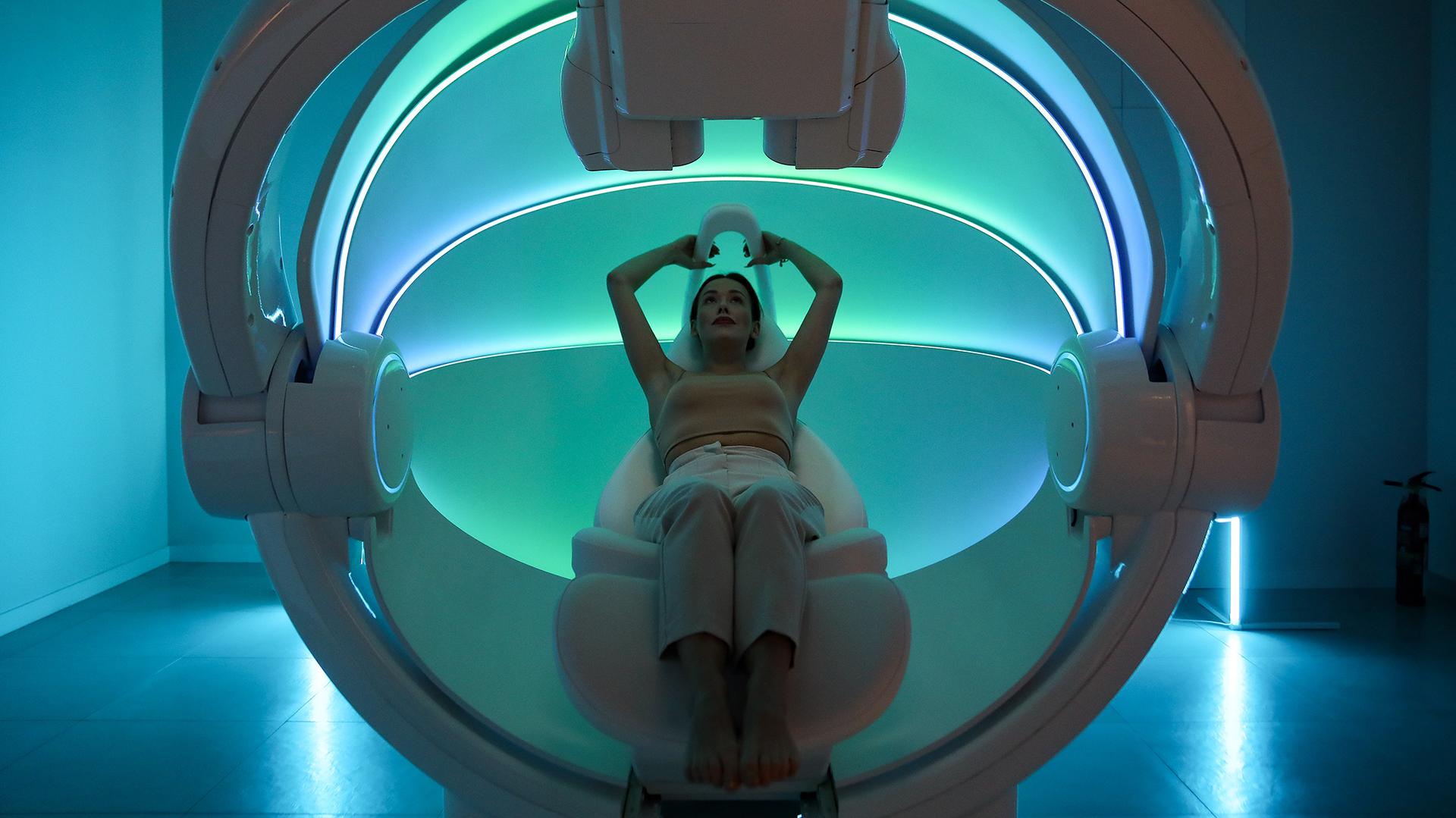
A decade ago, about 40 artificial intelligence systems were approved for clinical use. Today, more than 1,200 are FDA-approved.
Most AI applications help doctors read radiological scans. Others help predict which hospital patients are likely to suffer from complications during their stay. And some help to manage staffing levels and track supplies.
“The AI-driven transformation of health care is in its early stages, so precise estimates of its benefits are hard to come by,” James B. Meigs writes. “But researchers predict significant improvements in cancer screening, cardiac care, and other branches of medicine.”
Of course, that doesn’t mean the shift will be completely without risks. Large language models can hallucinate, for instance, and generate incorrect information, potentially leading doctors and nurses astray.
But even so, Meigs argues, the benefits of AI in medicine appear dramatically to outweigh the risks.
Read his take.