|
Forwarded this email? Sign up for free to have it sent directly to your inbox. |
|
|
Good morning, Today, we’re looking at the murder of Rob and Michele Reiner, the history of capital punishment, and New York’s “ghost apartments.” Don’t forget to write to us at editors@city-journal.org with questions or comments. |
|
|
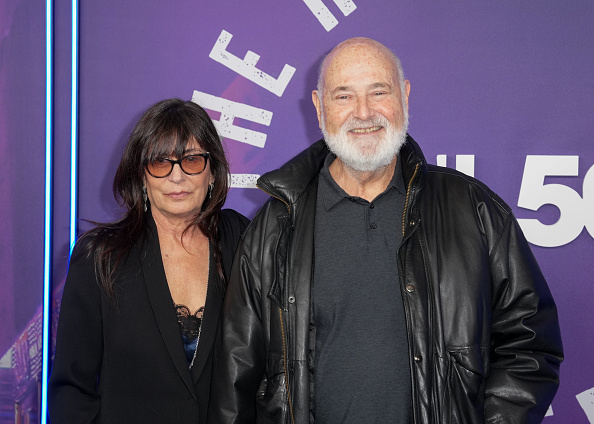
The Manson Family murders. Nicole Brown Simpson and Ronald Goldman. And now Rob and Michele Reiner. “Every epoch has its garish Hollywood murder, and each crime reflects its time,” writes Nicole Gelinas.
The Manson killings took place in a period of rising murder and disorder in the United States. The O. J. Simpson trial highlighted crime and the nation’s obsession with race. And the Reiners’ tragic deaths—allegedly at the hands of their son Nick—call attention to the problem of drug addiction and the societal risks it poses.
“The broader lesson is that, whether it’s petty crime, domestic violence, or illegal drug use, theft, and property damage, antisocial behavior escalates if not deterred or interrupted,” writes Gelinas. |
|
|
Last month, U.S. Army Specialist Sarah Beckstrom was murdered in Washington, D.C. Though the crime shocked the nation, justice for her killer will not be quick, Barry Latzer argues. In the 1980s, the average time from death sentence to execution was six years. In the mid-1990s, it was 11 years. Today? Over 23 years.
“In the past, when crime rates were high and the public was scared and angry, support for capital punishment was strong, and procedures didn’t stand in the way,” Latzer writes. “When crime ebbed, so did support for death sentences, and opponents of capital punishment gained influence and obstructed its application.”
Read more about the history of capital punishment. |
|
|
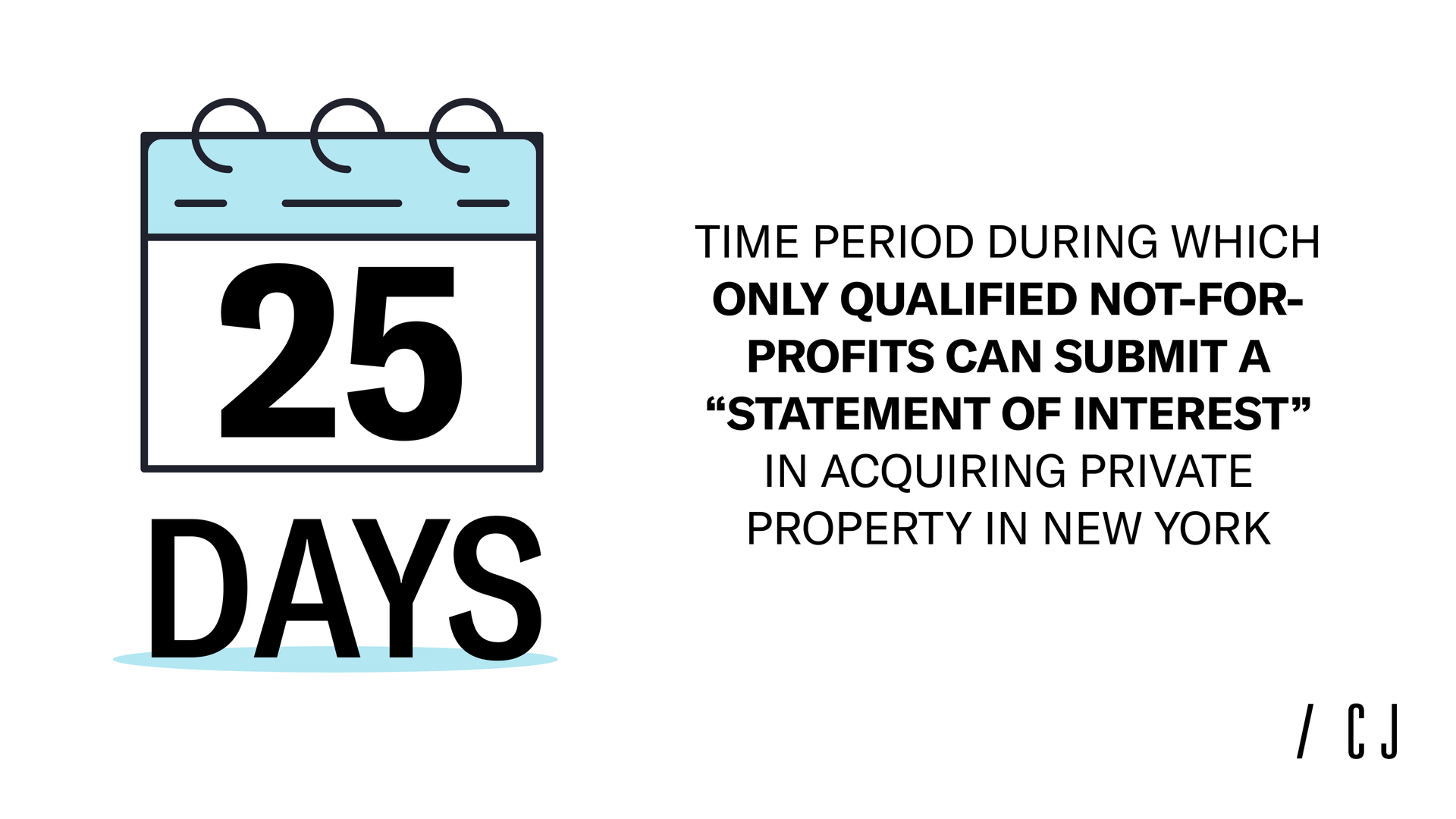
Maintaining an apartment in New York City is expensive. Renovations—which, for some dilapidated units, can bring a six-figure price tag—are even costlier. But the city’s rent-control and stabilization policies often make it impossible for landlords to maintain or restore their units. As a result, tens of thousands of apartments sit vacant across Gotham.
City Journal’s Adam Lehodey investigated the phenomenon of “ghost apartments.” As he toured vacant units and spoke with their owners, he found that rent-stabilization laws effectively forced them to keep these units off the market. Reforming those laws—or abolishing them—could add much-needed supply to Gotham’s housing market. |
|
|
The Manhattan Institute is proud to serve as the Principal Institutional Partner for the Sun Valley Policy Forum’s 2026 Winter Summit in the iconic resort town of Sun Valley, Idaho on February 11, 2026.
We are thrilled to join Joe Lonsdale and MI senior fellow Christopher F. Rufo for an evening on principled leadership and the future of American institutions in an AI-driven era. Please click here to learn more about the Sun Valley Policy Forum and our partnership and to purchase tickets at a discounted rate for friends of the Manhattan Institute.
|
|
|
|
In this special edition of the City Journal podcast, Daniel Di Martino, Josh Appel, and Rafael Mangual reflect on the magic of the holiday season in New York City. They share some of their favorite traditions, discuss the enduring lessons of movies like It’s a Wonderful Life, and consider deeper questions about individualism versus social obligation. |
|
|
“This is very bad. My young daughter liked trucks. That did not mean she was a boy. She was a girl who liked trucks. (And now she’s a woman who likes sports.) Isn’t the left the side that 10 years ago wailed about how we should not stereotype people?”
|
|
|
Photo credit: John Nacion / Contributor / Variety via Getty Images |
|
|
A quarterly magazine of urban affairs, published by the Manhattan Institute, edited by Brian C. Anderson. |
|
|
Copyright © 2025 Manhattan Institute, All rights reserved. |
|
|
|