|
Forwarded this email? Sign up for free to have it sent directly to your inbox. |
|
|
|
Good morning,
Today, we’re looking at the UAW’s growing membership in higher education, a new book about gender identity, and objectives for revitalizing science in America.
Write to us at editors@city-journal.org with questions or comments. |
| |
|
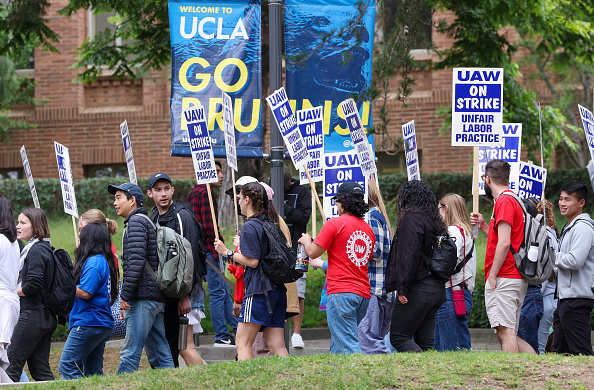
Photo credit: Brian van der Brug / Contributor / Los Angeles Times via Getty Images |
In the late 1970s, the United Auto Workers union had about 1.5 million members. Today, it has about 383,000.
The union’s answer to declining membership? Higher education. About 100,000 of the UAW’s members work in academia, while graduate workers make up its fastest-growing segment. This reliance on higher education is not only making the union more political—it’s causing Ph.D. programs to shrink.
“Union contracts turn stipends from a flexible line item into a fixed obligation, so when budgets tighten, departments can’t pay each student less—they can only admit fewer,” Sean Speer explains. “Incumbents enjoyed the raises, and the costs fell mainly on prospective students who never enrolled, never paid dues, and never appeared in anyone’s grievance process.”
Read more about the UAW’s shift to politics. |
|
|
In Gender Identity: The Career of a Category, UCLA sociologist Rogers Brubaker examines how the concept became so embedded in our culture.
“Brubaker believes, as do I, that the answer lies in what University of California–San Diego sociologist John Skrentny has called the ‘minority rights revolution,’” Leor Sapir writes. “Unlike the black civil rights and women’s rights movements, transgender movement advocates did not have to build popular support for their cause and create external sources of pressure on government to enact their favored policies.” Rather, policy entrepreneurs working in government and interest groups successfully reinterpreted existing statues and filed lawsuits to redefine longstanding language.
Read Sapir’s review. |
|
|
Science in America is currently on shaky ground. Innovations are harder to come by; published research is more likely to be false than true; and scientists are committing misconduct or experiencing burnout.
Thankfully, the White House recognizes these challenges. Last month, Office of Science and Technology Policy Director Michael Kratsios released a report outlining ways to revitalize scientific research in the U.S. They include funding reforms, prioritizing scientists over institutions, mobilizing industry, and preparing for the next phase of AI.
“Kratsios’s report gives reformers a manual for transforming the enterprise and charts the foundations of a new Golden Age,” Ian R. Banks writes, “but everyone—policymakers, universities, agencies, philanthropy, and industry—must pull together to direct our scientific enterprise toward truth, beauty, and discovery and away from ideological exercises like DEI statements in hiring.”
Read more about the report. |
|
|
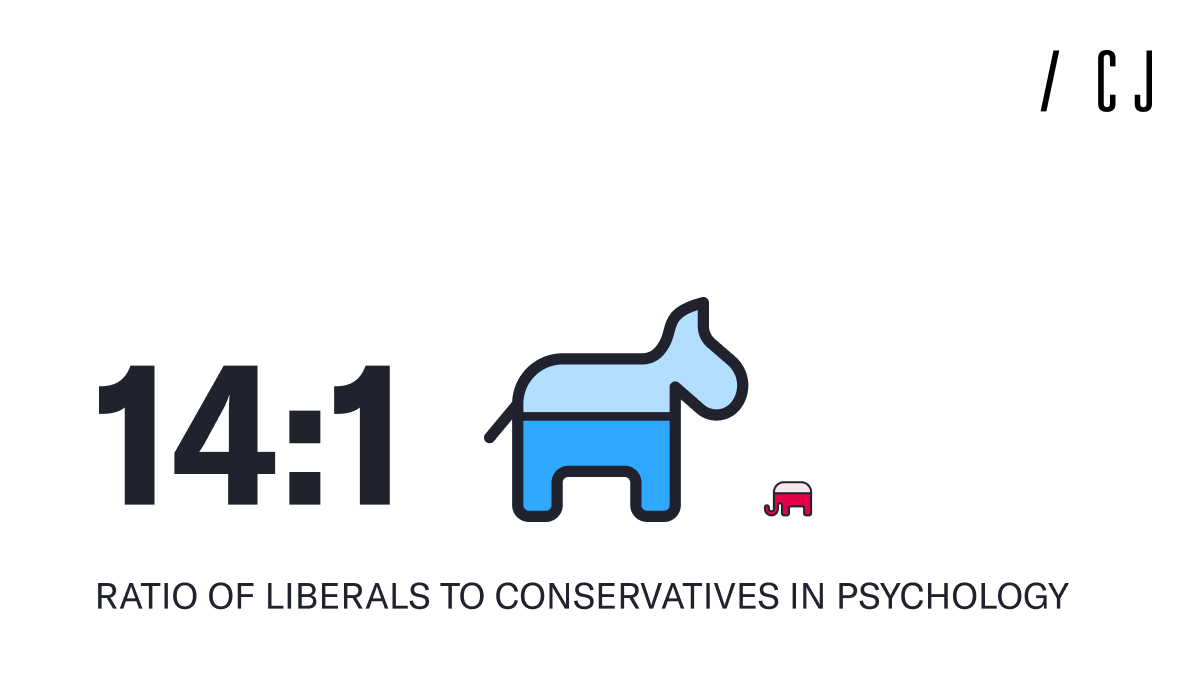
“All those complaints, but they still refuse to see the truth about their political party. Denial is amazingly powerful and seductive.”
|
|
| |
A quarterly magazine of urban affairs, published by the Manhattan Institute, edited by Brian C. Anderson. |
|
|
|
Copyright © 2026 Manhattan Institute, All rights reserved. |
|
|
|
|