Cities historically grew and prospered because of their location by rivers, ports, or natural resources. They might also have been the capitals of great empires or religious centers, or boasted vital institutions like universities, museums, and industry clusters—legacies of great economic booms.
The age of modern media has seen the emergence of a new key element catalyzing growth in contemporary societies: a compelling urban vision. Urban visions formulate attractive paradigms of what a successful city looks like, focusing on four central ingredients: people, businesses, leaders, and capital.
Finally, a reason to check your email.
Sign up for our free newsletter today.
American cities largely lack such a unifying idea today.
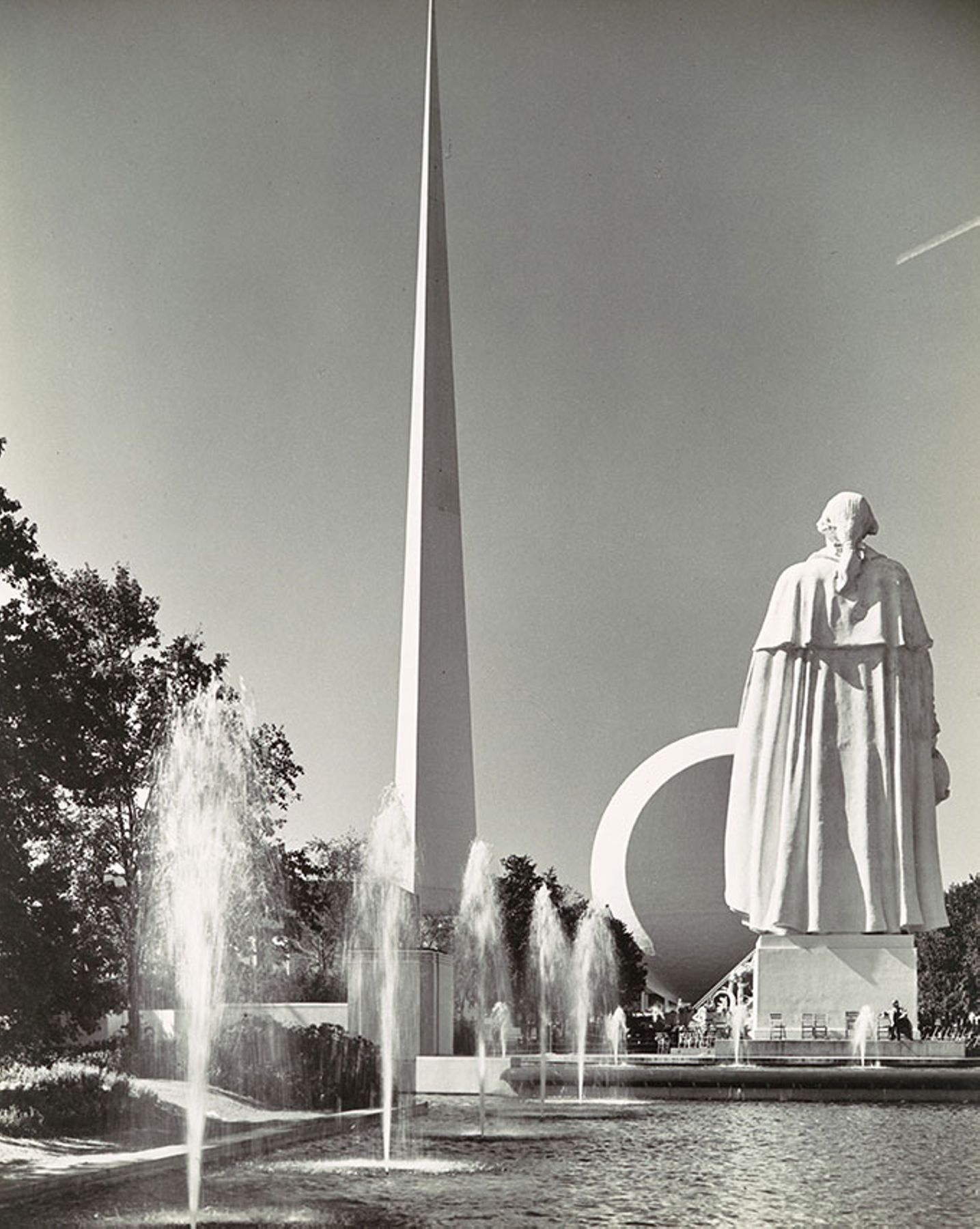
One of the best-known examples was the Futurama exhibit at the 1939 World’s Fair in New York. Sponsored by General Motors, Futurama was designed in the sleek, Streamline Moderne style by the innovative Norman Bel Geddes, who had previously worked for the Metropolitan Opera and on Broadway. It presented an image of a utopian 1960 city unapologetically built around the private automobile, connected by a web of freeways. Millions of visitors viewed the 35,000-square-foot model of this future America from elevated chairs with embedded, synchronized audio narration. They received buttons saying, “I Have Seen the Future.”
While the precise impact of the Futurama exhibit is debatable, its conception of the future largely proved out. The car became the organizing principle of urban planning. Public and private capital flowed into building postwar suburbia. The federal government, working with the states, created the interstate highway system and expanded the modern home-mortgage system. Developers such as William Levitt erected vast new housing tracts, which buyers eagerly snapped up—along with cars, appliances, color televisions, and other hallmarks of a rising consumer culture. A powerful, aspirational ideal drove the growth of American suburbia.
Conceptual ideas remain vital today. The twenty-first-century American urban renaissance has been powered by two related, compelling models: the Creative Class and the Global City.
The first of these grew out of urban theorist Richard Florida’s 2002 book The Rise of the Creative Class. Florida argued that the new economy centered on creative work. “Creative” was meant in a broad sense, including traditional knowledge workers—engineers and software developers—who invent new technologies but also artists, musicians, and fashion designers, who produce culture. In this formulation, urban success rested on the “3 Ts”: talent, technology, and tolerance (especially of gays). Florida’s model aligned with the coming of age of the large millennial generation, broader LGBT acceptance, and the slowdown in outmigration to suburbia following the 2007 housing-linked financial crisis.
The Creative Class found its epicenter in Portland, Oregon, the city to which urban leaders around the country feared losing their young people. Portland limited sprawl through its urban growth boundary and promoted mixed-use, walkable density, supported by light rail. It cultivated a culture of locally owned businesses, regional agriculture, and cutting-edge restaurants, coffee, and beer, alongside an emphasis on ethical production and social consciousness. It prized good design, the outdoors, and a quirky, bohemian sensibility. The story it told was as much about consumption and lifestyle as about production.
And it captured America’s imagination. The Portland-based magazine Kinfolk shaped aspirational lifestyles and graphic design. Young millennials poured into urban centers. Civic leaders worked to boost the arts and their city’s “cool factor”—as when Governor Jennifer Granholm launched a “Cool Cities” program in Michigan. Entrepreneurial establishments like coffee shops and microbreweries sprouted in cities nationwide; capital flowed into urban apartments and housing. America’s urban centers were back and growing again, with the swagger of confidence that they were the future.
The Global City vision also drew on Florida’s ideas but placed greater emphasis on high-value economic activity than on leisure and lifestyle. Its foundation lay in sociologist Saskia Sassen’s 1991 book The Global City. Sassen argued that, while globalization dispersed manufacturing, it also increased demand for specialized financial and producer services to manage complex, far-flung networks. These services, in turn, required elite global talent concentrated in a small number of cities, such as New York, London, and Singapore. (Sassen’s original study emphasized Tokyo rather than Singapore, but Singapore later emerged as a clearer model of the global city, especially given Tokyo’s relative ethnic homogeneity.)
Here, diversity meant immigration: the ability to attract top talent from a global, not merely national, pool. Add the concentration of a leading global industry—technology in the San Francisco Bay Area or life sciences in Boston—and you get the basic formula for the global city.
In the United States, the Global City model was embodied by the dominant coastal giants, especially New York during the Michael Bloomberg era (2002–14). Building on earlier governance reforms, public-private partnerships, and gains in public safety, Mayor Bloomberg guided New York from the aftermath of the September 11 attacks and through the global financial crisis to new heights, with the city reaching its largest population on record.
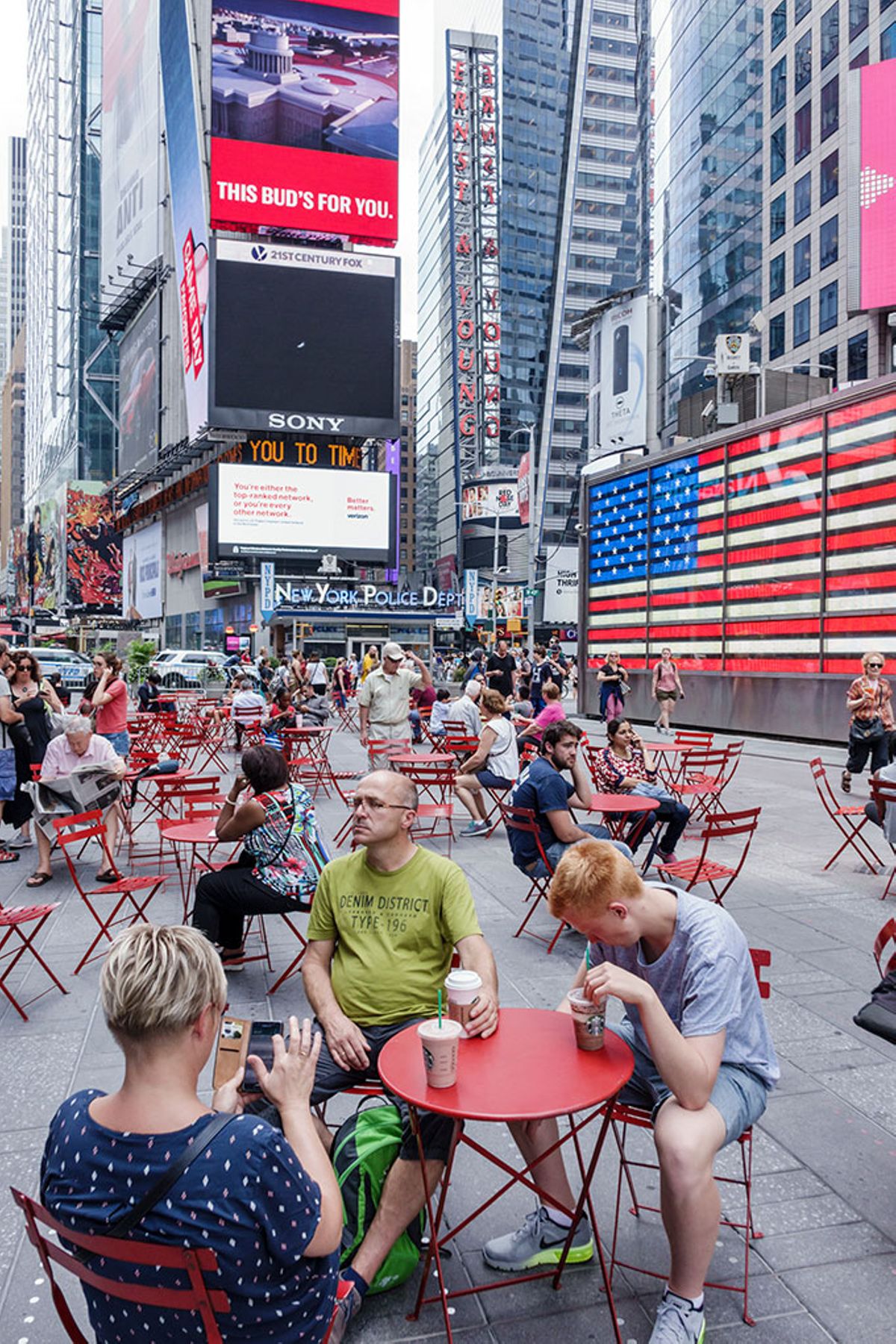
Bloomberg became an archetype of the global city “super mayor,” widely seen as the kind of politician modern metropolises needed—competent, pragmatic, and willing to take risks. He presided over envy-inducing improvements, including luring Cornell University (along with the Israel Institute of Technology) to build an urban tech campus, creating the showpiece High Line elevated trail, pedestrianizing Times Square and other plazas, expanding bike lanes and the subway system, developing new districts like Hudson Yards, and improving air quality by replacing old building-heating systems.
New York remained the capital of finance, media, the arts, and culture. Its unique global pull enabled it to assemble unparalleled concentrations of top talent, helping it to pioneer new industries. The city emerged as America’s second-leading technology hub, for example. Quality of life also improved: life expectancy in New York rose by three years during Bloomberg’s time in office, far outpacing gains nationally.
This template powered cities around the globe—London, Paris, Milan, Hong Kong, Dubai, and Beijing—and, in the United States, in places like Boston, San Francisco, Chicago, Miami, Los Angeles, and Washington, D.C.
Both models were enormously successful for a time, but by the late 2010s they had begun running out of steam. Each contained limitations that narrowed its appeal and invited backlash as conditions changed.
The Creative Class city, in practice, proved too white. Portland was among the whitest American cities, and other “cool cities” of the era—Austin, Denver, and Seattle—similarly lacked substantial minority populations, especially of blacks. Much of the hipster aesthetic was implicitly coded as white, as captured by the viral 2008 blog Stuff White People Like. Early Kinfolk issues featured almost exclusively white faces.
The Global City, for its part, was too elitist. Bloomberg had notoriously described New York as “a high-end product, maybe even a luxury product.” While perhaps true, this wasn’t a politic way of framing it. Though he invested across the city, it was his high-end Manhattan projects like the High Line that drew the most attention.
These limitations intersected with broader social changes, ultimately undermining both paradigms. As America turned toward greater concern with racial justice in the 2010s, the largely white Creative Class model fell out of step. The shift also led to backlash against the aggressive policing strategies that had helped keep urban crime low.
Neither approach solved the housing problem. As costs rose, a growing share of residents, including many not conventionally poor, felt the squeeze. By the late 2010s, urban growth was starting to fade or reverse. More explicitly left-wing politicians, like Bill de Blasio, emerged, running against elitism by railing against the “two New Yorks.”
Then came Covid-19. Offices shut down for a year or more as white-collar workers shifted to remote work, and many left cities for suburbs, exurbs, or “Zoom towns,” where they could afford more space and a home office. Extended lockdowns and school closures accelerated the exodus.
At the same time, Black Lives Matter protests—some accompanied by destructive riots, especially in 2020—swept across American cities. This was followed by a broader progressive turn in urban institutions, particularly around Diversity, Equity, and Inclusion programs. A wave of de-policing measures coincided with a sharp rise in crime and disorder. Pragmatic, technocratic governance gave way to a more ideological approach, often less friendly to business.
More than six years after the onset of Covid, in-person office attendance has only partially recovered, dealing a severe blow to city economies and to services like public transit that depend on commuters. Commercial real-estate prices have plunged in many places, weakening the urban tax base. While crime has declined from its recent peaks, perceptions of disorder and insecurity persist. Weak civic leadership afflicts many institutions. Most American cities are now viewed, with reason, as failing to address their central challenges, governing themselves ideologically—and often poorly.
Urbanist discourse in America often seems exhausted, promoting narrowly technocratic ideas that target specific problems: allowing so-called single-stair buildings that don’t require two separate fire-escape stairwells, easing zoning to convert obsolete offices into apartments, and through-running commuter rail lines instead of terminating them downtown.
Some of these are good ideas and are gaining traction. But they don’t address the more fundamental problem: the visions that once underpinned urban resurgence have lost their hold, and nothing comparable has replaced them. Even the most expansive reform agenda—broad-based zoning liberalization under the YIMBY (Yes In My Backyard) banner—falls short of an aspirational ideal for the future American city.
The increasingly dominant outlook in many cities is neo-socialism. It is represented by progressive officials like New York Mayor Zohran Mamdani (aligned with the Democratic Socialists of America) and Philadelphia district attorney Larry Krasner, along with a broader network of progressive funders and activist groups.
Neo-socialism emphasizes stiffer taxes on high-income residents and large businesses; expanded redistribution through free or subsidized services like transit and childcare; tighter regulation of real estate, including rent control and affordable housing mandates; broader market regulation, such as higher minimum wages or even “degrowth” policies; a skeptical stance toward law enforcement; and the active promotion of left-leaning cultural priorities.
Neo-socialism is attracting enough support to win some elections. But if the Creative Class and Global City frameworks proved too narrow, neo-socialism is narrower still. It draws some voters while repelling others—and so far, has not shown the capacity to restore urban demographic momentum. Nor has it produced effective leadership. Its mayors, such as Chicago’s Brandon Johnson, often lack executive experience, and it shows. Nor is the model attracting sufficient business or capital to revive urban economies, apart from niches, such as artificial intelligence firms in San Francisco.
As Richard Florida has observed, digital technologies now make it possible for the wealthiest city residents to relocate to a “lifestyle tax haven” and run their businesses remotely, complicating attempts to extract more tax revenue from them. Beyond its substantive defects, neo-socialism is simply not catalyzing urban growth the way previous conceptions did.
Truly distinctive cities like New York may continue, for a time, to perform relatively well—or at least not too poorly—under neo-socialism. Most other cities will not.
As earlier urban visions have faltered, a new suburban one has begun gaining momentum: Prime Suburbia. This emerging upscale model draws on elements of both the Creative Class and Global City frameworks.
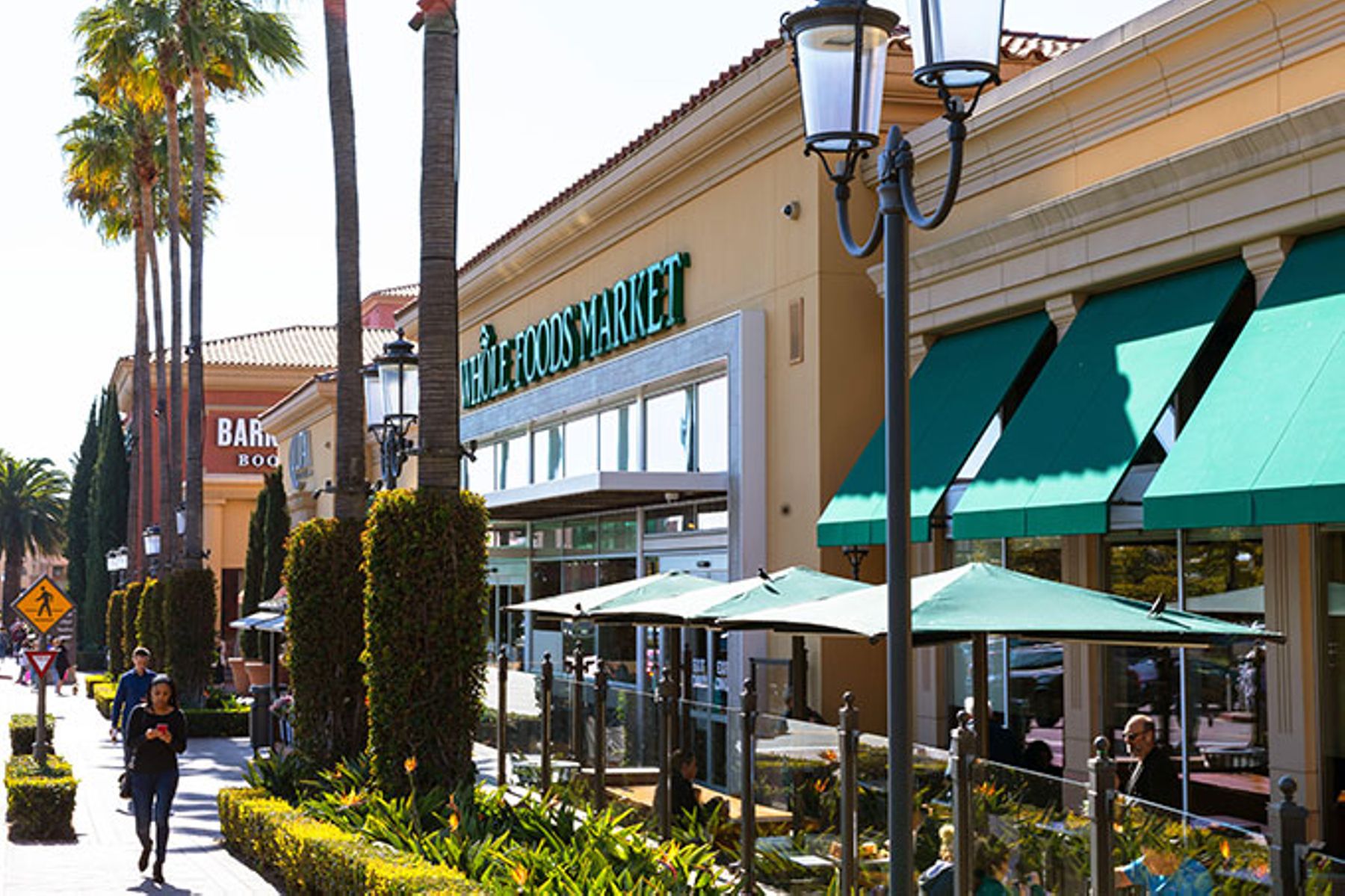
No longer defined simply by more space, lower costs, and good schools, Prime Suburbia emphasizes amenities, importing key features of the traditional urban value proposition into suburban settings. Today’s leading suburbs offer strong restaurant scenes, quality coffee, and upscale lounges. They host events and festivals, invest in arts centers and cultural attractions, and develop appealing walkable, mixed-use districts, whether in historic downtowns or newly built nodes. They feature well-designed parks and playgrounds, along with extensive trail networks and recreational amenities. Their infrastructure is first-rate and well maintained. In short, they have built a product that people are willing to pay for—and rising housing prices reflect that.
These suburbs may be politically red or blue, low-tax or high-tax. But they share a style of high-quality, Bloombergian governance: pragmatic, centrist, and resistant to ideological extremes. They deliver strong public services and maintain a clear focus on public safety. They welcome diversity but largely avoid the excesses of identity politics.
They are broadly pro-business, often anchored by significant white-collar employment in office parks. They tend to avoid onerous far-left mandates—though such policies are sometimes imposed by blue-state governments. And unlike traditional red-state suburbs, they’re willing to invest public dollars in the amenities that their upscale residents expect.
Examples of Prime Suburbia can be found in most major metro areas. Carmel, Indiana, which I have written about for City Journal, is a canonical case. Others include Orange County suburbs like Newport Beach and Irvine; Scottsdale, Arizona; the North Dallas suburbs of Plano and Frisco; Dublin, Ohio; Coral Gables, Florida; Alpharetta, Georgia; and Houston’s The Woodlands.
The upscale nature of these suburbs invites the familiar critique that they are exclusionary—places with the nicest amenities reserved for those with the most money. But suburbia has always been economically stratified. Suburbs can sustain a more uniformly upscale character in a way cities cannot. Prime Suburbia has benefited from urban dysfunction and a “K-shaped” economy, in which half of all consumer spending is now controlled by the top 10 percent of households by income. This may not be socially desirable, but it reflects the current market reality.
Prime Suburbia also benefits from being most proximate to the white-collar workforce in some, if not all, regions. When AT&T announced that it was moving its headquarters and 6,000 jobs from downtown Dallas to suburban Plano, for example, it noted that the new location was closer to most of its employees than downtown was.
Prime Suburbia has its own challenges. Much of its office stock is as obsolete as that in cities, perhaps even more so, and faces the same need for reinvention, along with the risk of write-downs that could erode the tax base. Nor is Prime Suburbia a true substitute for urban life. Rising housing costs are creating barriers to entry, making it harder for families with school-age children to move in. And while its cultural amenities have improved significantly, they still fall short of those of cities.
These locations are not culturally on the leading edge and lack the dynamism that younger, single adults often seek. As just one segment of suburbia, they don’t offer the broad, universal formula that the Futurama suburb once did. Still, they are performing very well, especially relative to urban centers, and more middle-class suburbs are increasingly adopting their playbook in some form.
To renew their cities and rebalance the regional draw away from Prime Suburbia, America’s urban leaders need a new vision that again represents a powerful draw. It’s not enough to implement technocratic improvements.
Like the Creative Class and Global City, any new approach must rest on a high-value economic rationale. Business and commerce are what distinguish cities from lifestyle resorts. More residents and tourists help, but they cannot replace real corporate activity. If converting obsolete office space to residential housing simply reduces economic output, it amounts to urban decline. Cities must instead focus on regenerating office districts to attract today’s workers and employers. The most competitive formats now tend to be ultramodern buildings, often in quasi-private developments with more controlled internal environments. These districts frequently lie outside traditional cores—Fulton Market in Chicago, NuLu in Louisville, or Hudson Yards in New York. They partly respond to concerns about public order but also demonstrate a marketable urban product. Elsewhere, demand centers on new stand-alone towers like One Vanderbilt or 270 Park Avenue, built on the site of an older structure. Cities need to enable far more of this kind of modern, high-quality office space to remain competitive.
The new conception must also appeal to a broader range of people than past urban models or Prime Suburbia. With Gen Z and Gen Alpha cohorts smaller than the millennial generation, cities can’t rely on a steady influx of young singles. Even as fertility declines, cities have long struggled to attract middle-class families with school-age children, an issue they must confront directly.
Immigrants will remain central to urban growth, but national policy is uncertain. Cities need a clearer answer to a basic question: Who will choose to live in them—and where? Expanding housing supply will be essential to bringing costs down, which in turn will require significant reforms to zoning and building codes.
Cities will also need to generate leadership capacity in both the public and private sectors. Business leadership has been in decline for some time. Too many mayors and city councils are failing to deal with their cities’ difficulties. Where improved leadership does emerge, as in Detroit, urban performance tends to exceed expectations. Any new ideal must rest on a credible promise of competent governance.
Bringing these elements together will require innovators who can offer not just data and policy ideas, but a compelling story broad enough to attract people, businesses, capital, and leadership. Such a unifying narrative is essential to restoring American cities after their Covid-era setbacks.